
From Britpop to the Present: Blur, Fila Vintage and the Damon Archive Tee
There’s a certain moment in the mid-90s where music, fashion and identity all collided—and at the centre of it stood Blur and their frontman Damon Albarn. Britpop wasn’t just a sound; it was a statement. A rejection of American grunge, a celebration of British culture, and crucially, a shift in how people dressed.
And right there, woven into that movement, was Fila Vintage.

Before Britpop: Finding a Voice
When Blur first emerged in 1991 with Leisure, they were still feeling their way through the musical landscape. Influenced by Madchester and shoegaze, their early sound lacked the sharp British identity they would later define. But everything changed after a difficult U.S. tour, where the dominance of grunge pushed the band into rethinking not just their music—but their image.
By 1993’s Modern Life Is Rubbish, Blur had pivoted. The sound was unmistakably British, drawing influence from bands like The Kinks and The Small Faces. The look followed suit—cleaner, sharper, rooted in heritage.

Parklife, Peak Britpop and a New Uniform
With Parklife in 1994, Britpop exploded into the mainstream. Suddenly, British life—its humour, its characters, its everyday details—was front and centre. Tracks like Girls & Boys became anthems, and Blur became the face of a movement.
Fashion shifted alongside it. Gone were the oversized flannels and distressed denim of grunge. In came track tops, polos, and statement tees. Sportswear—particularly heritage sportswear—became the uniform of a new generation.
That’s where Fila came into its own.
From Centre Court to Camden
Originally rooted in tennis, Fila built its reputation through icons like Björn Borg. Pieces like the BB1 polo and Settanta track jacket defined 70s sportswear, blending performance with unmistakable style.
By the 90s, those same designs found a second life. Adopted by terrace culture and embraced by the Britpop scene, Fila became a bridge between eras—linking sport, music and street style in a way few brands could.
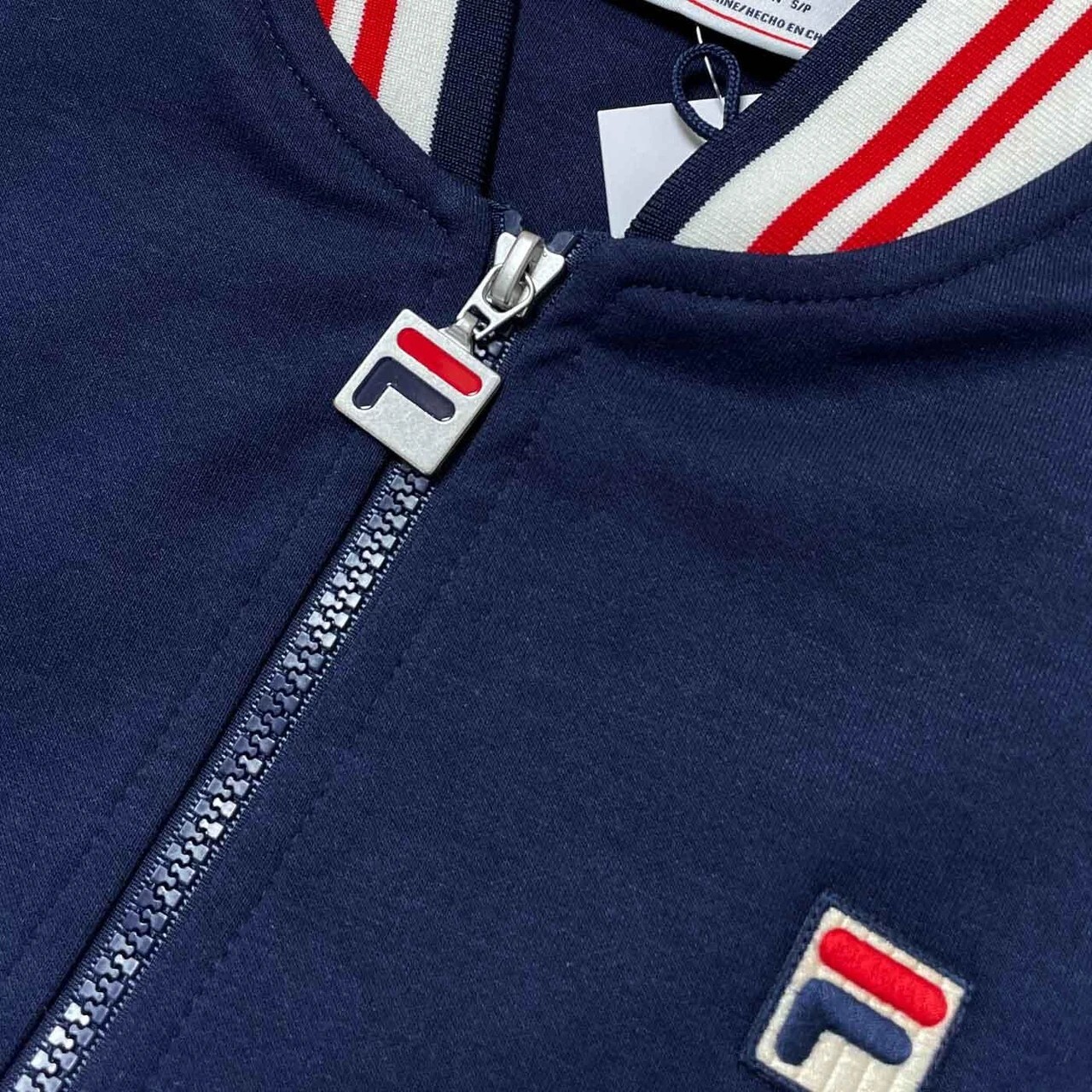
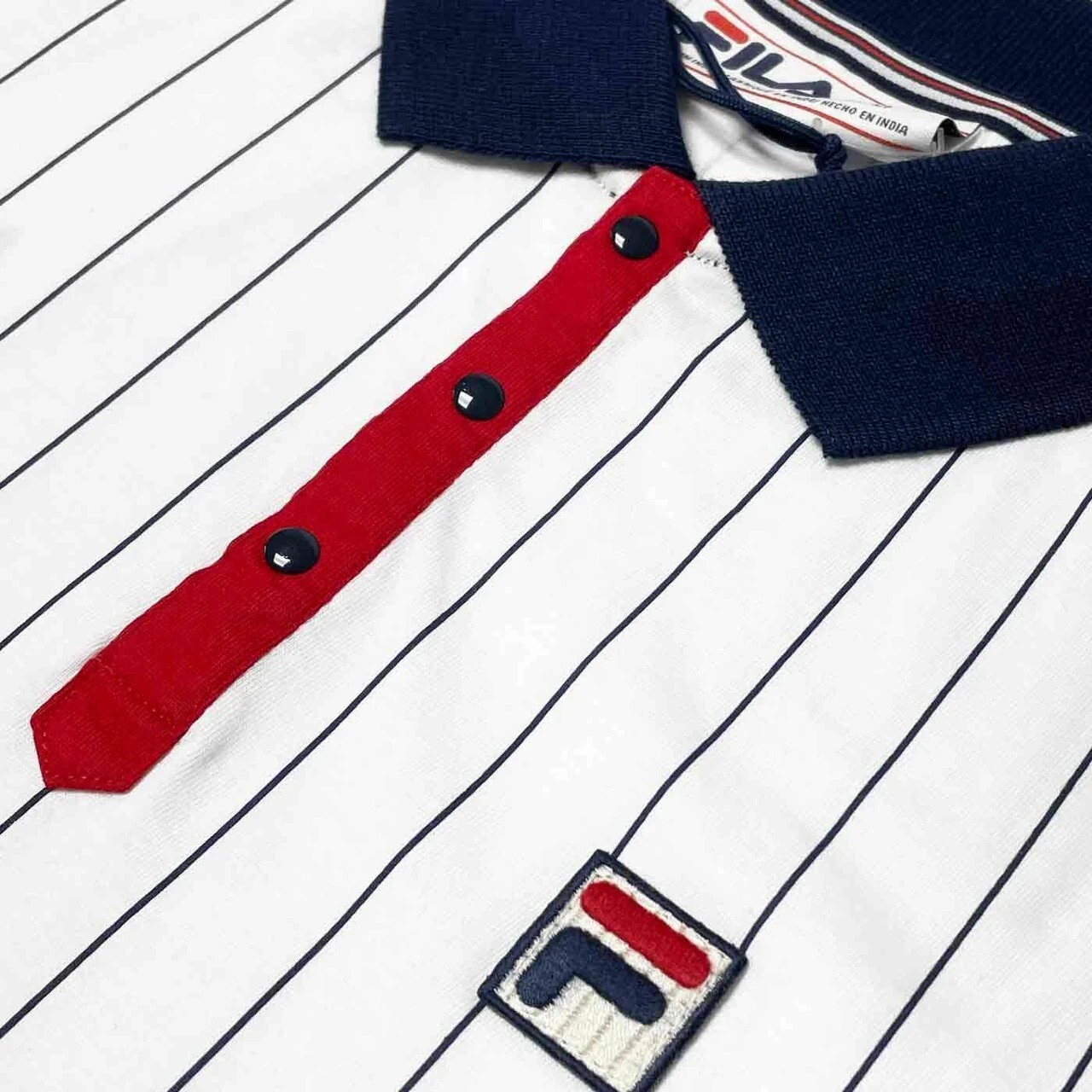
The BB1 Polo, with its signature pinstripes and snap placket, became a staple. The Settanta Track Jacket, with its clean panelling and ribbed trims, offered a sharp, athletic silhouette that fit perfectly with the mood of the time.
But as Blur evolved, so did the style.
1997: A Shift in Sound and Style
By 1997, Britpop was beginning to fracture. Blur’s self-titled album marked a clear departure from the polished, character-driven sound of Parklife. Tracks like Song 2 introduced lo-fi textures and American indie influences, signalling a band moving beyond the scene they helped define.
The look changed too—less theatrical, more stripped back. This is where the Fila Vintage Damon Archive Reissue T-Shirt finds its place.
The Damon Archive Tee: A Moment Recreated
The Fila Vintage Damon Archive Reissue T-Shirt isn’t just another retro piece—it’s a snapshot of that exact transitional moment.
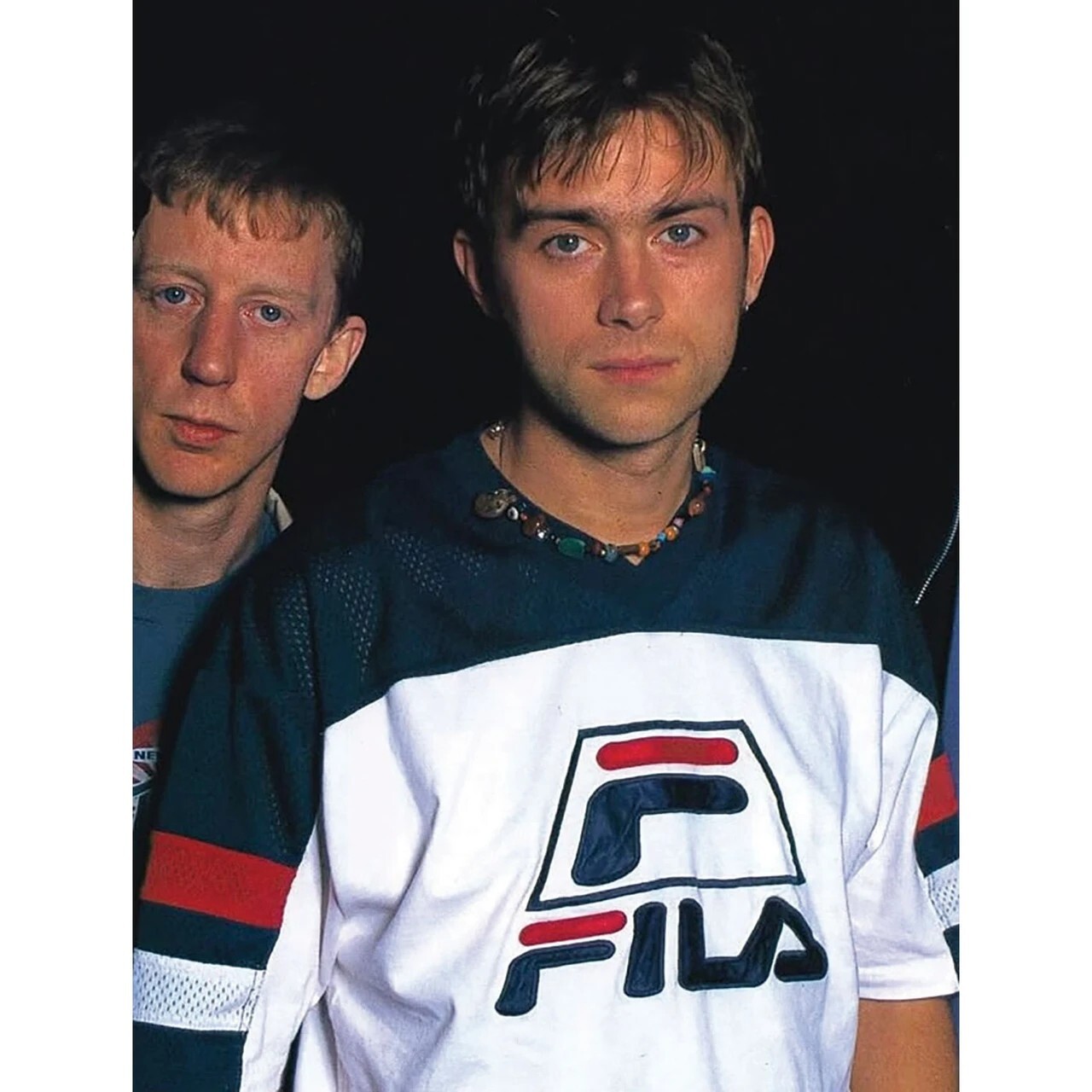
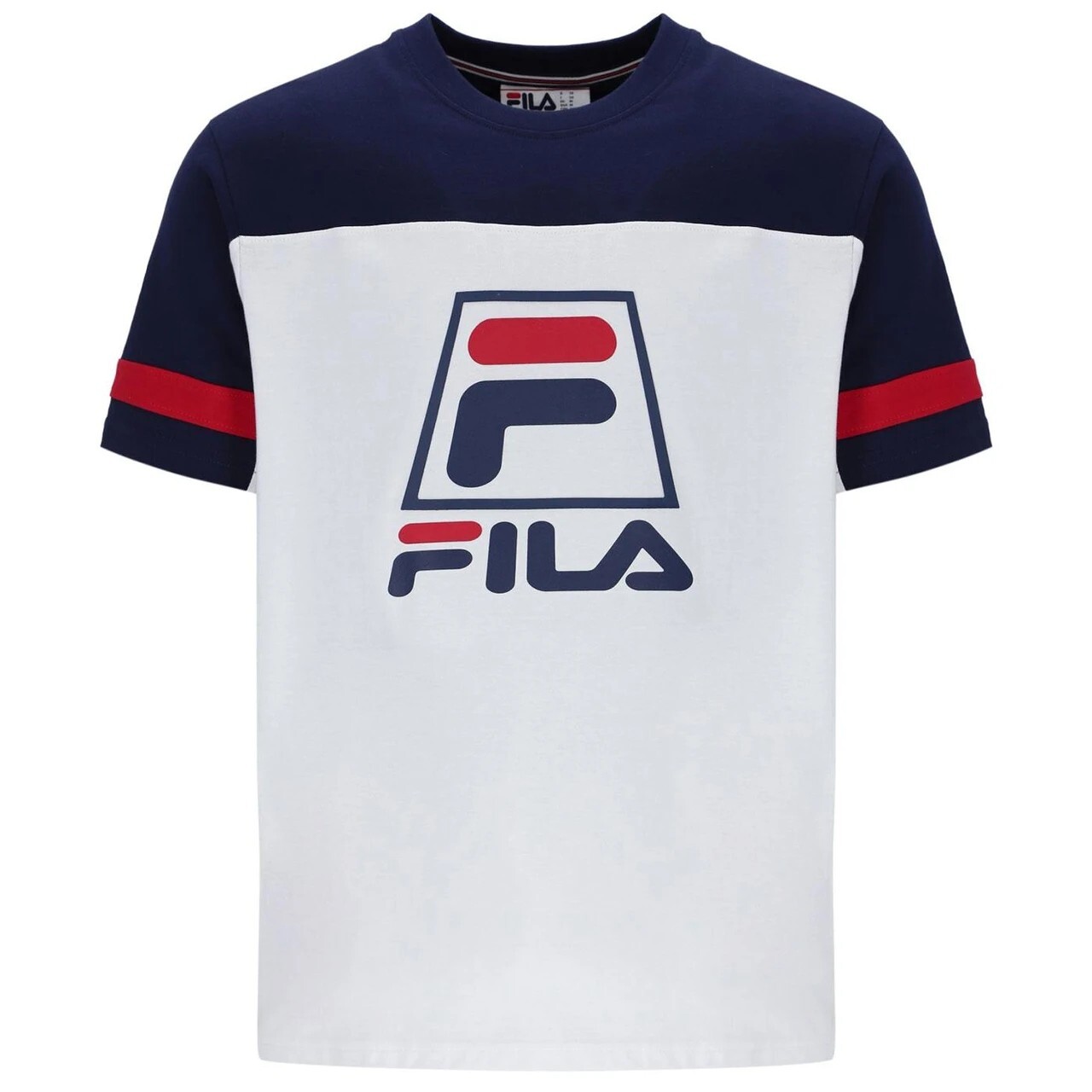
A faithful recreation of a style worn by Damon Albarn around 1997, it captures the shift from Britpop’s peak into something more understated and authentic. The oversized fit, bold cut-and-sew panelling, and strong Fila branding all reflect that late-90s aesthetic—where confidence came from simplicity rather than spectacle.
Crafted from a heavyweight 200gsm cotton jersey, it feels substantial—far removed from the throwaway nature of standard tees. This is a piece designed with intent, built to last, and rooted in genuine cultural history.
Part of a Bigger Picture
What makes the Damon Archive Tee particularly strong is how it sits within the wider Fila Vintage collection. This isn’t a standalone throwback—it’s part of a modular archive.
Layer it under a Settanta track jacket and you’ve got a direct nod to terrace culture. Pair it with a BB1 polo and you’re blending decades of Fila heritage into one cohesive look. The consistent colour palette—especially the classic navy base—makes it easy to mix eras without losing that clean, unified aesthetic.
It’s this versatility that keeps Fila relevant. Rather than reinventing itself entirely, it recontextualises its archive—allowing each generation to interpret it in their own way.
More Than Nostalgia
There’s a reason Britpop still resonates. It wasn’t manufactured—it was reactive, personal, and distinctly British. Blur’s journey from trend-followers to cultural leaders mirrors that shift perfectly.
The Damon Archive Tee taps into that same authenticity. It doesn’t shout—it references. It doesn’t imitate—it recreates.
For those who understand the era, it’s instantly recognisable. For those discovering it for the first time, it offers a genuine entry point into a moment where music and fashion moved together.
And in a landscape where trends come and go, that kind of connection still matters.
Because some pieces don’t just belong to a wardrobe—they belong to a story.