

An icon in the world of overcoats, the peacoat, occasionally written pea coat, has long been celebrated for its rugged durability and impressive warmth, qualities that made it indispensable even in the harshest maritime conditions. Favoured by sailors across the globe, including the British Royal Navy and the US Navy, it stands as a prime example of how a functional military garment can profoundly influence classic menswear. From its practical beginnings to its firmly established position as a style staple, the peacoat’s journey is one of purpose, resilience and quiet refinement.
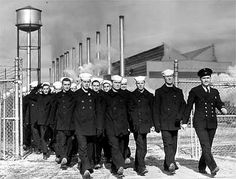
Naval Origins
That naval connection is, of course, central to the story of the peacoat. Its origins reach back to the early 1800s, when the coat first appeared in the wardrobes of the Dutch navy, then a major maritime powerhouse. The very word peacoat is believed to derive from the Dutch term pije, which referred to a coat made from a coarse, heavy wool fabric designed to withstand biting sea winds. Practical, hardy and uncomplicated, this early Dutch design planted the seed for everything the peacoat would eventually become.
The British took this innovation and refined it further. The British Royal Navy version, crafted from a dense, tightly woven melton wool, became particularly associated with petty officers who needed protection from unforgiving conditions at sea. This melton wool construction was integral; thick enough to block wind and repel moisture, yet structured enough to maintain a crisp silhouette. In an era when naval life demanded garments that could endure salt spray, freezing temperatures and constant wear, the peacoat proved itself indispensable.
From there, the design made its way across the Atlantic. The US Navy adopted the coat initially for “reefers,” the sailors who climbed the rigging on early sailing ships to adjust or furl sails. Because of this, the terms reefer coat and peacoat eventually became intertwined. Over time, however, distinctions emerged: the reefer coat evolved into a more formal officer’s garment, featuring details such as gold buttons and epaulettes, while the peacoat remained the sturdy, utilitarian choice for enlisted men.
By 1897, the peacoat was officially codified in U.S. Naval uniform regulations, cementing its status as a cornerstone of military attire. It was not merely a coat, it was part of a sailor’s identity.
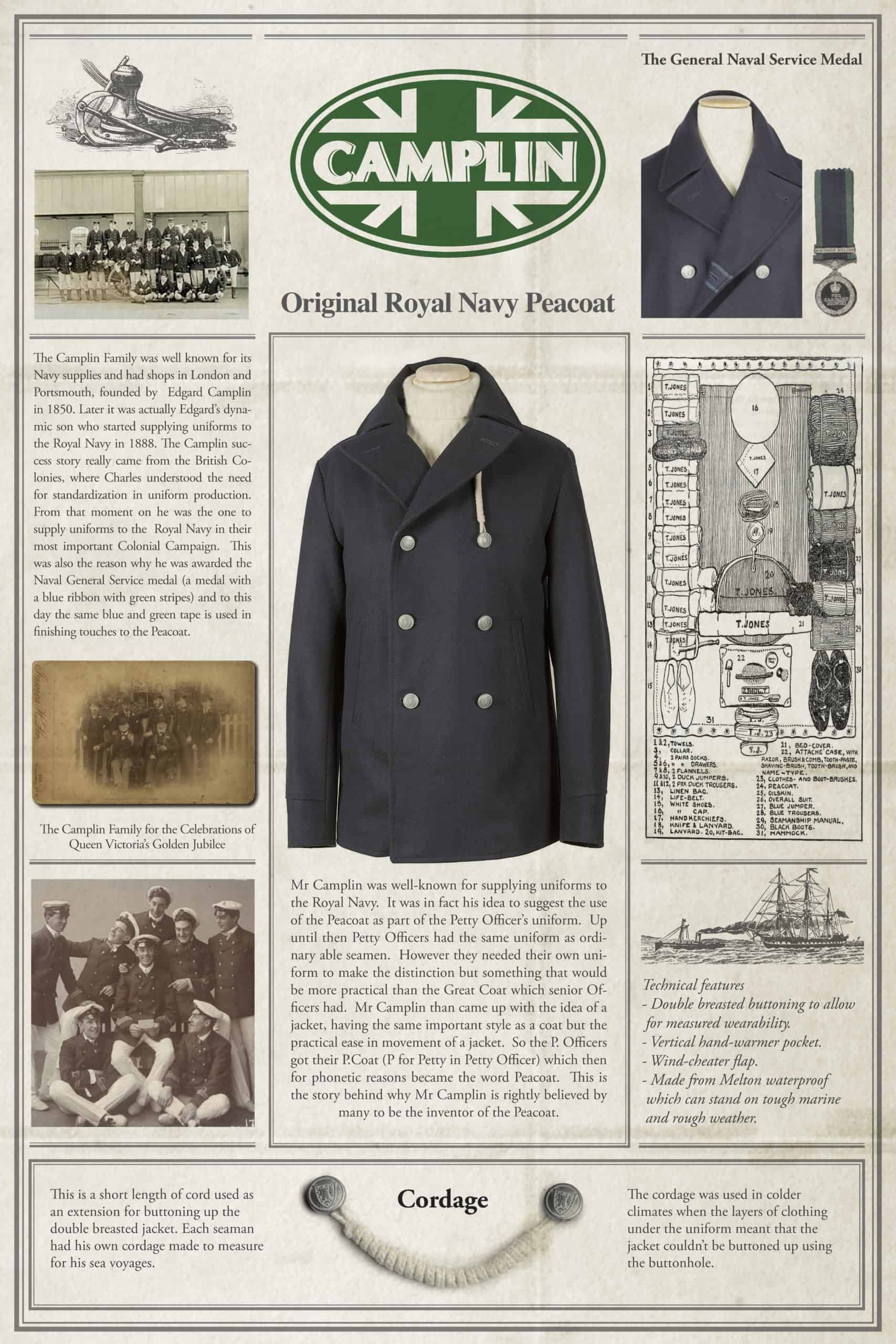
1850 'Camplin' advertisement for an original Royal Navy Peacoat.
Post War Move To Civvy Street.
During both World Wars, the peacoat became almost emblematic of naval personnel. Its instantly recognisable silhouette; broad lapels turned up against foul weather, thick wool holding fast against cold sea air, became a visual shorthand for maritime service. It even saw occasional use by land-based forces who valued its warmth and resilience. Once again, the peacoat proved it was far more than just a uniform item; it was a piece of essential equipment.
After World War II, surplus military garments poured into civilian markets, and the peacoat quickly found new admirers. Inspired in part by the bravery and global movements of sailors during the war, civilians embraced garments that carried both a sense of purpose and a hint of romanticism. As with the bomber jacket, the peacoat transitioned seamlessly into everyday wear. Affordable, practical and inherently stylish, it became a natural choice for men seeking dependable outerwear with heritage appeal.
This post-war adoption set the stage for the peacoat’s modern reputation: a garment steeped in naval tradition yet relevant to urban streets, university campuses and city winters alike.
Fashion Icon.
Though initially embraced for its utilitarian qualities, and readily available through surplus stores alongside duffle coats and parkas, the peacoat swiftly attracted the attention of the fashion-conscious. Its tailored silhouette, maritime heritage and smart-casual versatility resonated with subcultures and tastemakers. Beatniks adopted it for its understated sophistication; Mods admired its sharp lines and crisp shape. While many Mod-era garments faded in and out of fashion over subsequent decades, the peacoat remained steadfast.
Part of its enduring appeal lies in its consistency. The fundamental design has barely budged since the 19th century. Although contemporary versions may use slightly slimmer cuts or alternative fabrics, the core elements, double-breasted closure, wide lapels, heavy wool construction and naval attitude, have remained intact. Quite simply, the peacoat has never needed to change. It was designed well the first time, and its timelessness continues to prove that point season after season.
Today, the peacoat stands not only as a nod to maritime history but also as a testament to the power of good design. It bridges eras, social groups and style preferences. From sailors braving Atlantic storms to city-dwellers commuting through winter winds, its appeal is universal.
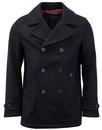
Merc 'Doyle' Tartan Lined Melton Peacoat.
What are the characteristics of a Peacoat?
Traditionally crafted from a heavy wool fabric, a peacoat is distinct from a full-length overcoat in its shorter hip-length cut. Key features include broad, sweeping lapels; a double-breasted front with two parallel rows of three or four large buttons; and practical slash or vertical handwarmer pockets. The combination of sturdy fabric and compact length was originally intended to allow ease of movement aboard ships while still offering warmth and protection. Today, those same features give the peacoat a structured, flattering shape and impressive insulation.
Is a Peacoat a casual or formal coat?
The peacoat is generally considered a casual or smart-casual coat. Its naval heritage and compact length place it firmly on the more relaxed end of the menswear spectrum. That said, its tailored silhouette and sharp lapels lend it a refined air, allowing it to pair beautifully with knitwear, denim, chinos and even some dressier weekend looks.
Traditionally, it is best avoided with very formal attire such as a suit, largely because its shorter length doesn’t fully cover a suit jacket, and because formalwear calls for a more structured, knee-length overcoat. Still, for everything short of business dress, the peacoat remains a versatile, stylish choice.
How should a Peacoat fit?
A classic peacoat is cut fairly close to the body; not tight or restrictive, but streamlined and structured. There should be enough room underneath to layer a chunky sweater or knit without distorting the coat’s shape. Oversized fits, although fashionable in certain outerwear categories, are generally out of place with peacoats. Their elegance depends on clean lines and a sense of purpose; too much excess fabric undermines that heritage look.
Can you wear a Peacoat unbuttoned?
Under traditional naval dress codes, absolutely not. All buttons, except the top collar button, were expected to be fastened at all times. The collar button was reserved strictly for severe weather. While modern civilian wear imposes no such rules, the peacoat nevertheless looks its best when buttoned. The double-breasted design is intended to overlap fully, creating warmth and maintaining the coat’s strong V-shaped silhouette. Perhaps the navy had the right idea all along.
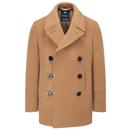
Gloverall 'Tennyson' Wool Blend Peacoat.
Can you wear the collar up on a Peacoat?
Yes. The collar is designed to be worn up when needed. Constructed in the Ulster style, its points angle downward, allowing you to flip it up and cross the points neatly at the front—perfect for shielding your neck from winter winds. This isn’t just a stylistic flourish; it is a functional detail rooted in maritime necessity. On the coldest days, it remains one of the most practical and stylish features of the peacoat.