Inside the 1960s Boutiques…
Step through the glass door of a London boutique in the early 1960s and you enter more than a shop; you cross a cultural border. Fresh paint mingles with perfume, perhaps even a trace of incense. Jazz, rhythm and blues drift from a record player somewhere in the corner, while rails of vivid colour stand in defiant contrast to the grey austerity Britain was still shaking off.
Welcome to the birthplace of a fashion revolution stitched in wool, silk and PVC.
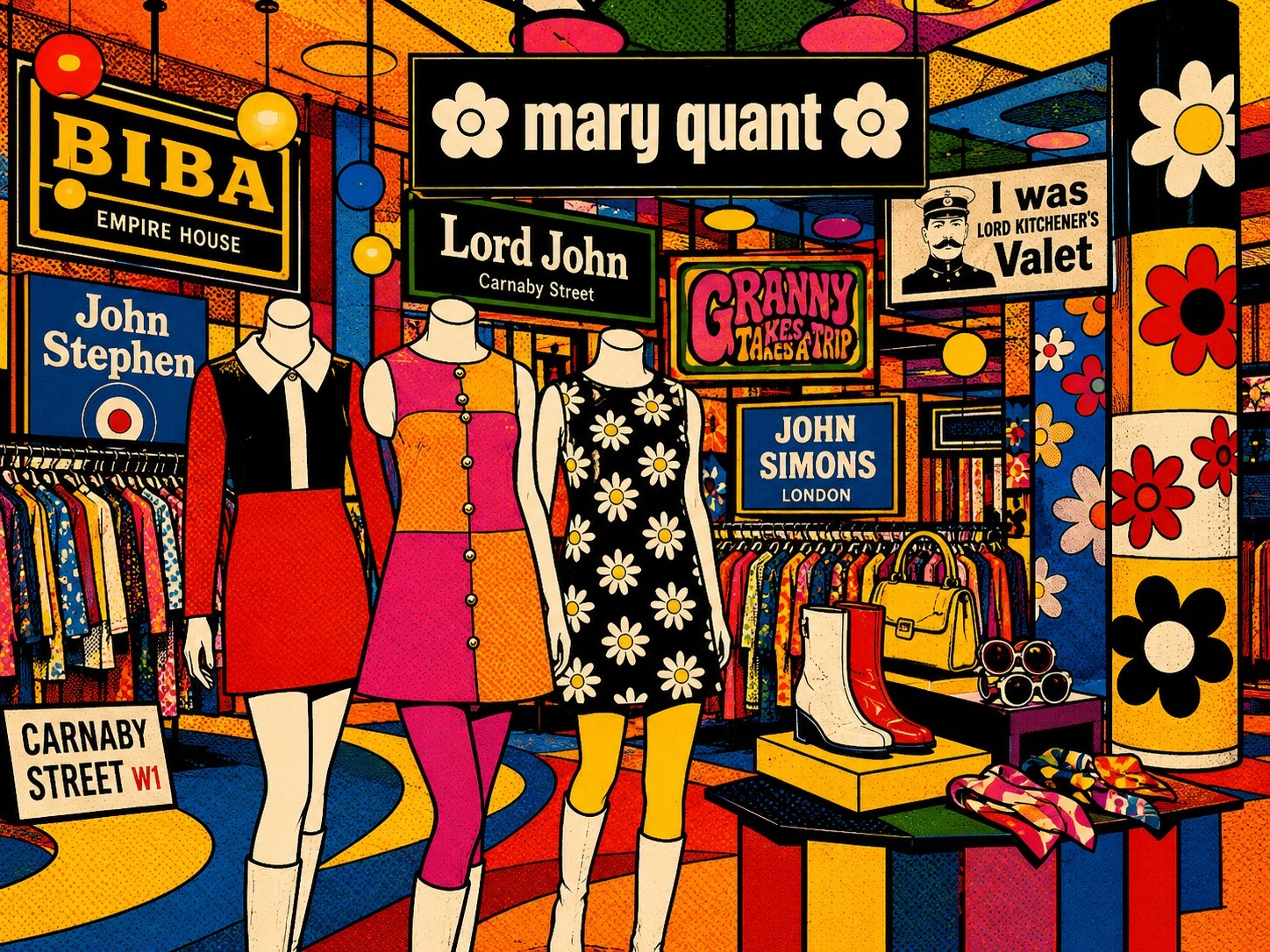
These weren't shops in the traditional sense. Department stores sold clothes; boutiques sold identity. They were run by designers and entrepreneurs barely older than their customers, visionaries like Mary Quant on the King's Road, John Stephen transforming Carnaby Street into the centre of modern menswear, and Barbara Hulanicki conjuring BIBA's velvet-lit world of affordable glamour. Their boutiques were more than places to shop. They became meeting places, creative studios and cultural hubs where youth fashion was invented in real time.
Within these often tiny spaces, some little more than converted market stalls or narrow shopfronts, the Mod movement found both its wardrobe and its confidence. Fashion no longer had to trickle down from Paris or Savile Row. Instead, it emerged from London's streets, where designers responded to music, art and youth culture almost as quickly as they evolved.
Patterns were drafted on kitchen tables, new fabrics were tested with fearless enthusiasm, and clothes were priced so that a week's wages from a Saturday job or behind a café counter could buy something genuinely exciting. Every rail offered the promise of reinvention. Fashion was no longer handed down by the establishment; it was being created from the ground up by an ambitious new generation determined to dress on its own terms.
The boutiques you'll discover throughout this guide each tell a different chapter of that story. From John Stephen's Carnaby Street empire and Mary Quant's revolutionary Bazaar to the theatrical glamour of BIBA and the wonderfully eccentric worlds of Lord Kitchener's Valet and Granny Takes a Trip, every shop left its own unmistakable mark on British fashion. Some championed sharp Mod tailoring, others embraced Ivy League restraint or psychedelic excess, but together they transformed London into the style capital of the world.
So pause for a moment and take it all in. The mirrors are unforgiving, the music never quite stops, and every window display promises something you've never seen before. This is where the 1960s found their colour. This is where Britain learned to dress itself young.
BIBA: From Mail-Order Miracle to Mega-Store Mayhem
If the Mod movement was a spark, then Barbara Hulanicki was one of the brightest flames it produced. Her boutique didn't simply sell clothes; it introduced a generation to the idea that style, glamour and self-expression belonged to everyone, not just those born into wealth or privilege.
The story of BIBA is one of British fashion's great success stories. What began as a modest mail-order venture would grow into one of the most influential retail empires of the twentieth century, redefining how young people shopped, dressed and experienced fashion itself.
A Dress, a Newspaper Advertisement and Seventeen Thousand Orders
Barbara Hulanicki's journey to fashion fame followed an unconventional path. After studying at art college and establishing herself as a freelance fashion illustrator, she recognised something the established clothing industry had overlooked. Young women wanted stylish, affordable clothes inspired by the people they admired, but without the exclusive price tags of haute couture.
Rather than opening a traditional boutique, Hulanicki and her husband and business partner, Stephen Fitz-Simon, launched BIBA as a mail-order business. Their designs were youthful, affordable and heavily influenced by contemporary style icons such as Brigitte Bardot.
The turning point arrived in May 1964 with a simple gingham dress advertised in the Daily Mail. Expecting only a few hundred orders, the couple instead received around four thousand within a single day. By the time demand subsided, more than seventeen thousand dresses had been sold.
The extraordinary response proved that Britain was ready for a different kind of fashion retailer. Just four months later, BIBA opened its first boutique in Kensington and British fashion would never quite be the same again.
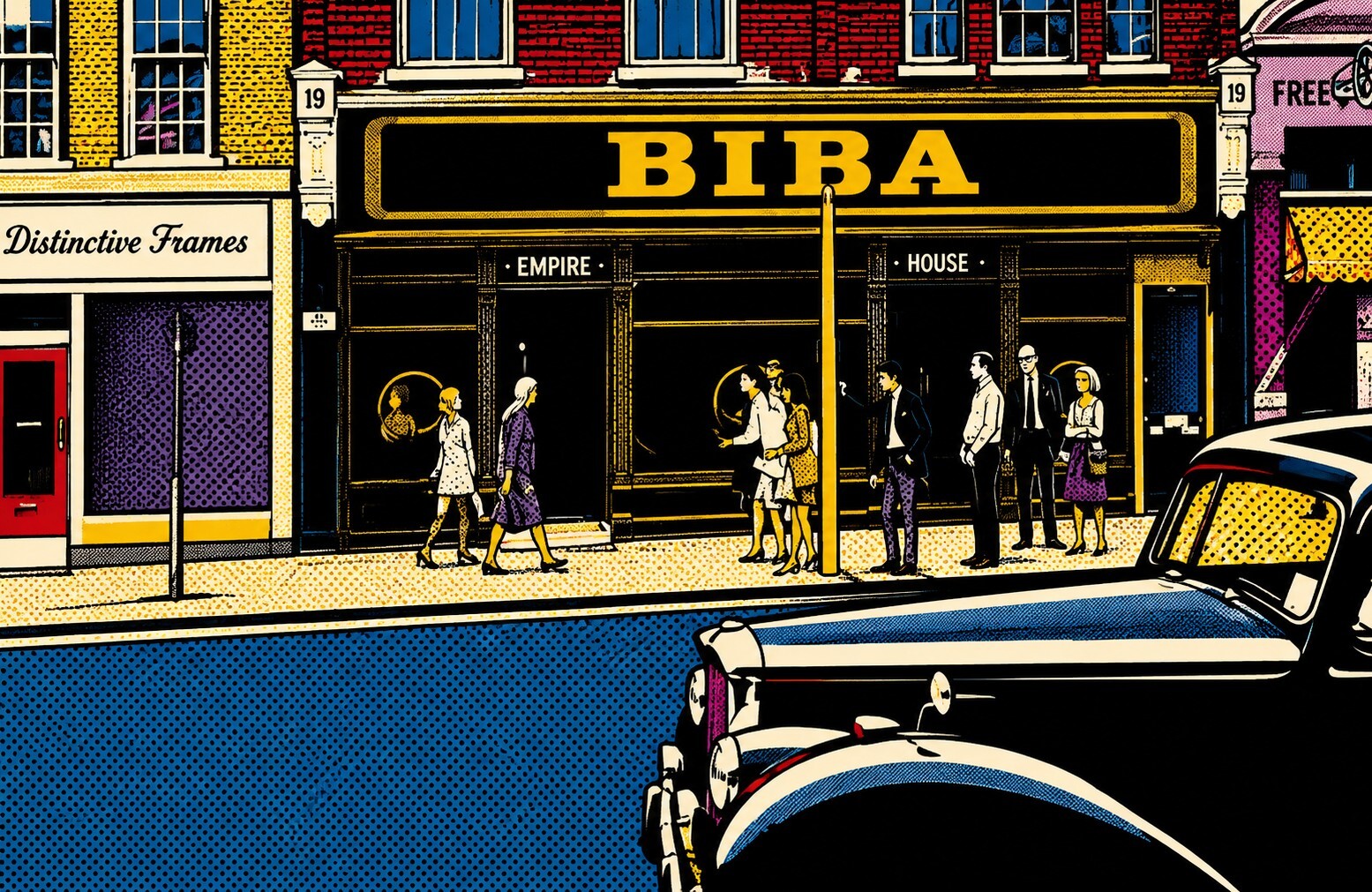
Walking into BIBA
Stepping inside the original BIBA felt less like entering a shop than wandering onto a beautifully dressed film set. Art Deco glamour mixed effortlessly with Edwardian antiques, while dark walls, vintage hat stands and carefully arranged displays created an atmosphere unlike anything found on the traditional high street. Bangles spilled from antique bowls, cosmetics sat beside clothing, and the soundtrack shifted between jazz, rhythm and blues and the latest sounds emerging from London's clubs.
It quickly became much more than somewhere to buy clothes. BIBA was a social destination where teenagers browsed, experimented and imagined new versions of themselves. For many young women it offered the chance to dress with sophistication without spending a month's wages.
That accessibility became one of the boutique's greatest strengths. For roughly ten per cent of an average weekly wage, customers could walk away looking every bit as fashionable as the models, musicians and television personalities they admired. Unsurprisingly, many of those celebrities became loyal customers themselves, further cementing BIBA's reputation as the boutique every stylish Londoner wanted to visit.
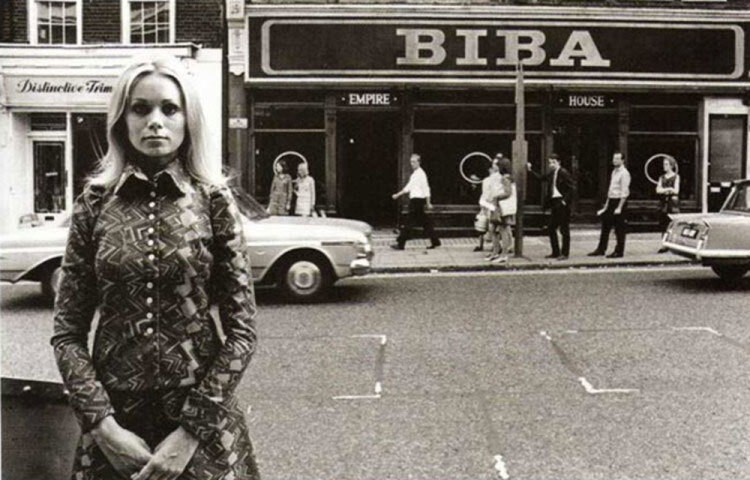
Fashion at the Speed of Youth
Long before anyone coined the phrase "fast fashion", BIBA had already perfected the formula.
If Cathy McGowan appeared on Ready Steady Go! wearing a particular silhouette, chances were that something remarkably similar would be hanging on BIBA's rails within days. Fashion moved quickly during the 1960s, but BIBA somehow managed to move even faster.
Remarkably, the boutique achieved this without huge advertising budgets or elaborate marketing campaigns. Its reputation spread almost entirely by word of mouth, fuelled by excited customers urging friends to visit the latest must-see shop in Kensington. Even many of the sales assistants became part of the phenomenon, happily wearing BIBA clothes while serving customers eager to recreate the same look.
Bigger Dreams, Bigger Stores
Success inevitably demanded more space. By 1966 BIBA had relocated to larger premises on Kensington Church Street, allowing Barbara Hulanicki to expand both her collections and her ambitions.
The new boutique offered more rails, more stock and more customers, but retained the same sense of discovery that had made the original so exciting. One famous story from the period perfectly captures BIBA's instinct for turning accidents into trends. After a shipment of jersey skirts unexpectedly shrank to dramatically shorter lengths, Hulanicki feared disaster. Instead, customers embraced the ultra-short minis, buying them almost as quickly as they appeared.
By now, BIBA had become far more than a successful boutique. It was a cultural phenomenon with a loyal following and an ever-growing influence on British fashion.
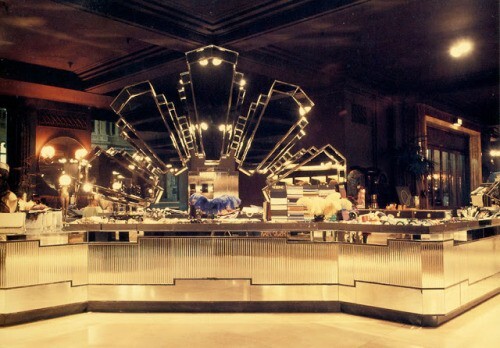
The makeup counter at Big Biba.
Big BIBA — Fashion Becomes Theatre
Barbara Hulanicki's greatest ambition arrived in the early 1970s when BIBA took over the former Derry & Toms department store on Kensington High Street. The resulting seven-storey emporium was unlike anything Britain had seen before.
Spread across more than 80,000 square feet, Big BIBA offered clothing, childrenswear, homeware, books, restaurants and even rooftop gardens complete with flamingos. Every floor was carefully designed to immerse visitors in the BIBA world, turning an afternoon's shopping into a complete lifestyle experience.
Unlike conventional department stores, Big BIBA relied on curiosity rather than elaborate window displays. Outside, London remained stubbornly grey. Inside, customers stepped into a dreamscape of velvet, satin, lacquered finishes and theatrical interiors where every corner invited exploration.
Too Big, Too Bold, Too Soon
Yet even the most beautiful dreams are vulnerable to changing fortunes. Big BIBA opened in 1973 just as Britain entered a period of economic uncertainty. Although thousands flocked through its doors, many came simply to experience the spectacle rather than make purchases.
Changes in ownership further complicated matters. Dorothy Perkins had already acquired a controlling stake in BIBA, and when British Land purchased the company in 1973, Barbara Hulanicki found herself balancing creative ambition against increasing commercial pressures. As financial difficulties mounted, she eventually left the business she had created.
Big BIBA closed in 1975, with the brand later sold on without Hulanicki's involvement. Reflecting on those final years, she admitted that every visit to the store carried the fear it might be her last.

A Legacy That Never Faded
Although Big BIBA survived for only a short time, its influence has proved remarkably enduring. Barbara Hulanicki transformed fashion from something exclusive into something exciting, affordable and accessible. She demonstrated that shopping could be immersive, theatrical and every bit as memorable as the clothes themselves, laying the foundations for countless retailers that followed.
Today, the original boutiques have long disappeared, yet the name BIBA still evokes velvet-dark glamour, Art Deco elegance and the youthful optimism of Swinging London. Barbara Hulanicki showed that a single well-designed dress could launch a revolution, and that great style should always feel like an invitation rather than a privilege.
Although the original BIBA boutiques have long since disappeared, their influence continues to echo through contemporary Mod and Retro fashion. The enduring appeal of clean silhouettes, rich textures and affordable glamour ensures Barbara Hulanicki's vision remains every bit as relevant today as it was in the heart of Swinging London.
John Stephen: The Man Who Made Carnaby Street Swing
If Mary Quant revolutionised women's fashion and Barbara Hulanicki transformed the shopping experience, then John Stephen reshaped British menswear. More than any other individual, he was responsible for turning Carnaby Street from an overlooked Soho backstreet into the undisputed capital of Swinging London's style revolution.
Today his name is sometimes overshadowed by the street he helped make famous, yet few designers have had a greater influence on the way young British men dressed during the 1960s. Tailor, entrepreneur and gifted retailer, John Stephen recognised that a new generation wanted something entirely different from the conservative wardrobes of their fathers. They wanted colour instead of caution, slim tailoring instead of traditional cuts, and fashion that reflected the excitement of modern London.
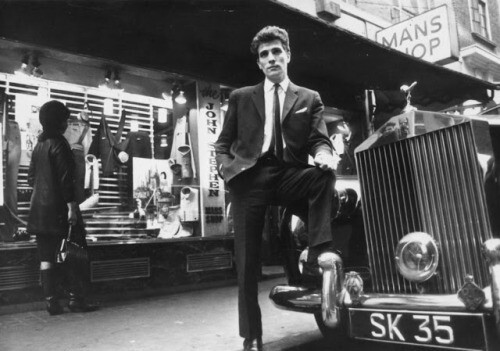
From Glasgow Apprentice to Carnaby Pioneer
Born in Glasgow, Stephen moved to London in 1952 at the age of eighteen, determined to build a career in fashion. Like many great designers, he first mastered the traditional rules before quietly beginning to challenge them. His early years at Moss Bros, followed by a move to Vince Man Shop on Newburgh Street, introduced him to both classic tailoring and the growing appetite for youthful, contemporary menswear.
Stephen quickly realised that a cultural shift was underway. Young men were beginning to see clothing not simply as something practical, but as a means of expressing confidence, individuality and identity. Determined to build a business around that idea, he worked tirelessly, tailoring during the day and waiting tables in the evenings until he had saved enough to open his own boutique. The first venture was short-lived after a fire destroyed the premises, but the setback ultimately led him to Carnaby Street, where his career and the fortunes of the street itself would be transformed.
The Man Behind Carnaby Street
When Stephen opened His Clothes in 1958, Carnaby Street was still a modest Soho thoroughfare with little hint of the international fame it would soon enjoy. Stephen understood that if he wanted to attract attention, he had to offer something completely different. He painted his shopfront in bright colours, filled the boutique with music and stocked rails with sharply cut jackets, slim trousers and boldly patterned shirts produced in limited quantities to ensure every visit revealed something new.
His approach proved irresistible. Customers returned frequently, eager to discover the latest designs before they disappeared, creating a sense of excitement that feels strikingly familiar today. Long before the phrase "fast fashion" entered the retail vocabulary, Stephen had already recognised the appeal of constantly evolving collections.
As demand grew, so too did his business. By the mid-1960s he controlled a network of boutiques across Carnaby Street, including Mod Male, Domino Male, Male West One and several others. Together they transformed what had once been an ordinary London street into the epicentre of modern menswear, attracting fashionable young men from across Britain and eventually from around the world.
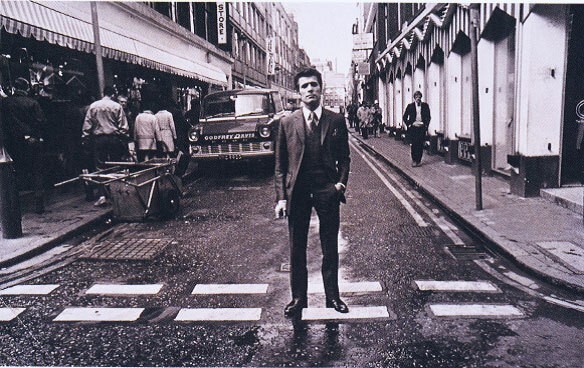
Defining the Mod Silhouette
Stephen's success rested not simply on clever retailing but on an instinctive understanding of changing tastes. He continually refined the Mod silhouette, experimenting with double- and triple-button shirt plackets, introducing paisley and psychedelic prints before they became mainstream, and producing collarless suits alongside Regency-inspired tailoring that hinted at the flamboyance soon to characterise the Peacock Revolution.
His boutiques offered style that felt fresh, adventurous and, crucially, affordable. Young men no longer needed the budget for Savile Row to dress fashionably. Stephen believed that great design should be within reach of ordinary people, a philosophy that made his shops as popular with students and office workers as they were with musicians and celebrities.
Among those drawn to Carnaby Street were members of The Who, The Small Faces, The Kinks and countless other figures from London's rapidly expanding music scene. For many, a visit to one of Stephen's boutiques became an essential part of the Mod experience.
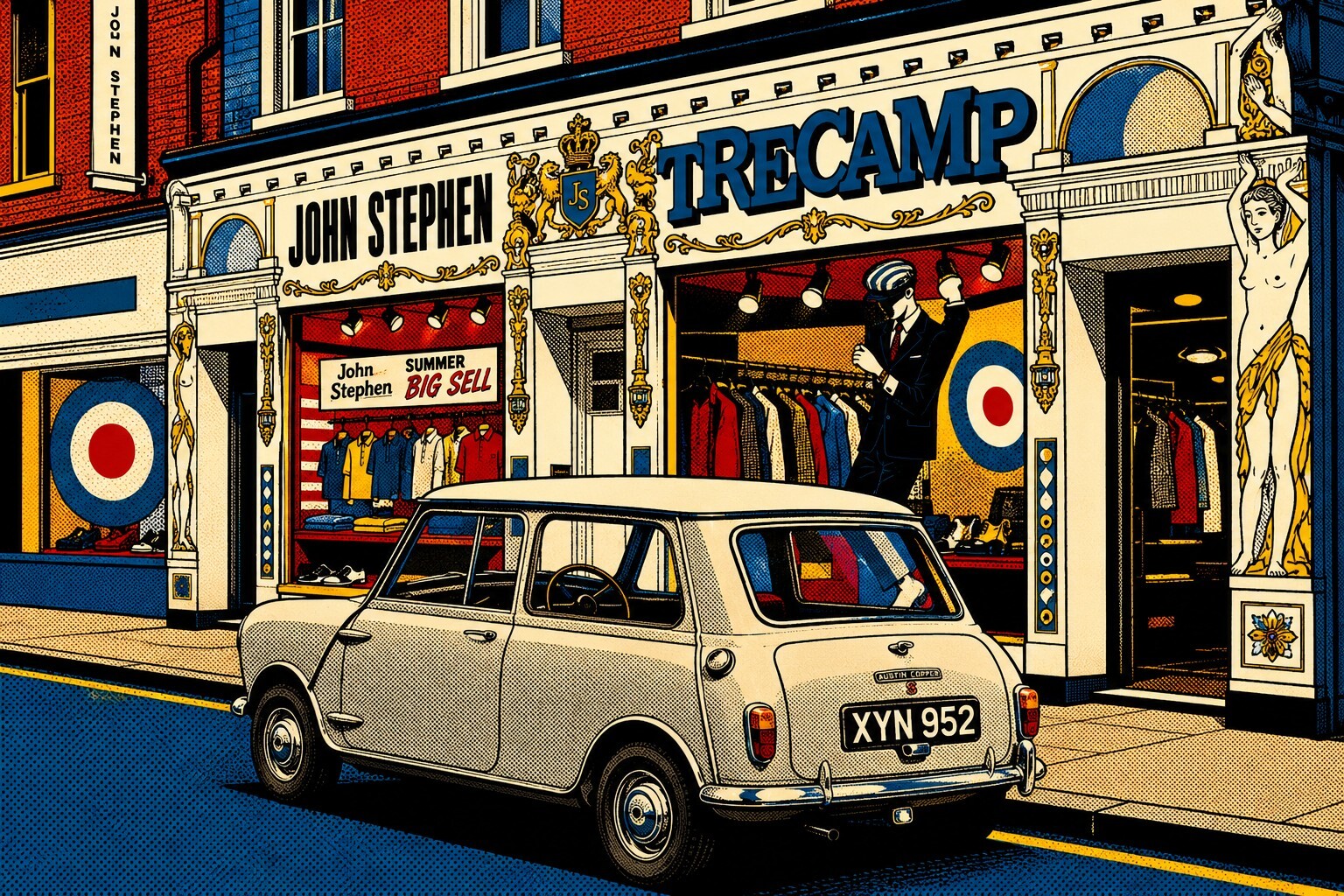
Beyond Menswear
As the decade progressed, Stephen recognised that the same youthful appetite for bold, affordable fashion extended well beyond menswear. Boutiques such as His 'N Hers and Tre Camp introduced colourful womenswear inspired by the same adventurous spirit that had made his men's collections so successful. Mini dresses, psychedelic prints and striking new silhouettes brought couples into his shops together, reinforcing Carnaby Street's reputation as a destination for anyone interested in the latest trends.
Stephen's reputation soon spread far beyond Soho. Hollywood stars, including Elizabeth Taylor and Marlene Dietrich, reportedly purchased his designs, while visitors from Europe and America returned home convinced that the future of fashion belonged to London.
Adapting to a Changing Decade
As the 1960s gave way to the 1970s, the fashion landscape inevitably began to change. Carnaby Street's success inspired countless imitators, while larger retailers adopted many of the ideas Stephen had pioneered.
Rather than standing still, he continued to expand his business. Advertising around the 1970 World Cup, establishing overseas franchises, opening a factory in Glasgow employing more than one hundred people and developing a successful wholesale operation all demonstrated his determination to evolve with the times. Even so, the era of the independent Carnaby boutique was drawing to a close, and by 1975 his original shops had disappeared from the street that had made his name.
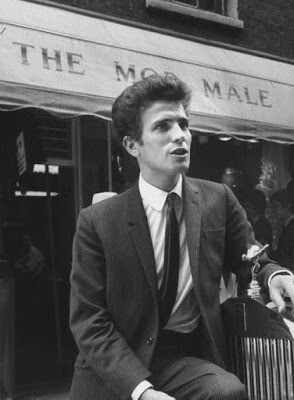
A Lasting Legacy
Although John Stephen later returned to fashion under the Francisco-M label, his greatest contribution had already been made. His archive was acquired by the Victoria and Albert Museum, while a commemorative blue plaque now marks his place in Carnaby Street's remarkable history.
More importantly, his influence continues to shape British menswear. Stephen helped establish the Peacock Revolution, encouraged young men to embrace fashion with confidence and demonstrated that innovative design could be both accessible and commercially successful. His boutiques transformed shopping into an experience and gave a generation permission to dress with individuality, colour and flair.
Carnaby Street may have become one of London's most photographed destinations, but its reputation was built by people willing to challenge convention. Few contributed more to that transformation than John Stephen. His vision helped define the look of the Swinging Sixties, and his influence can still be seen wherever sharp tailoring, bold pattern and confident self-expression remain at the heart of modern Mod style.
The original boutiques may have disappeared, but the spirit of John Stephen's Carnaby Street lives on. Its legacy can still be found in the clean lines of tailored jackets, boldly patterned shirts, velvet, paisley and the unmistakable confidence that continues to define Mod-inspired menswear today.
Mary Quant's Bazaar: The Woman Who Let the Sixties Loose
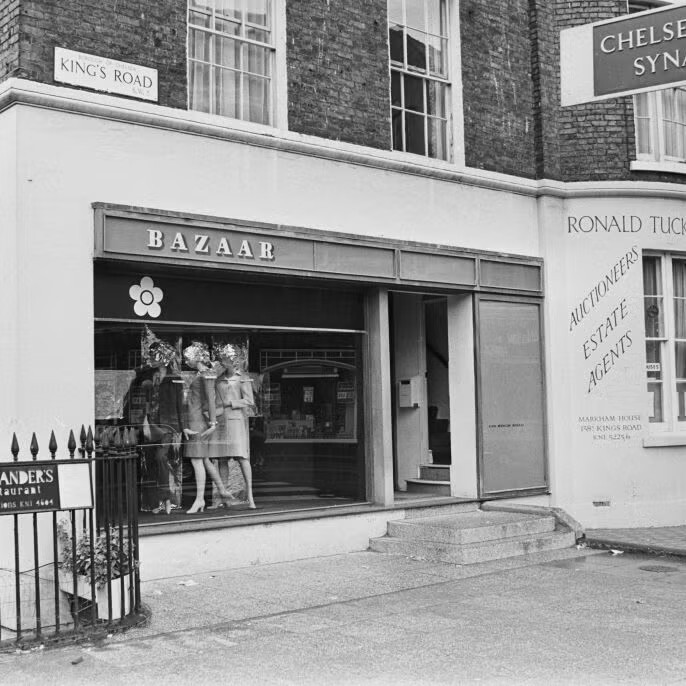
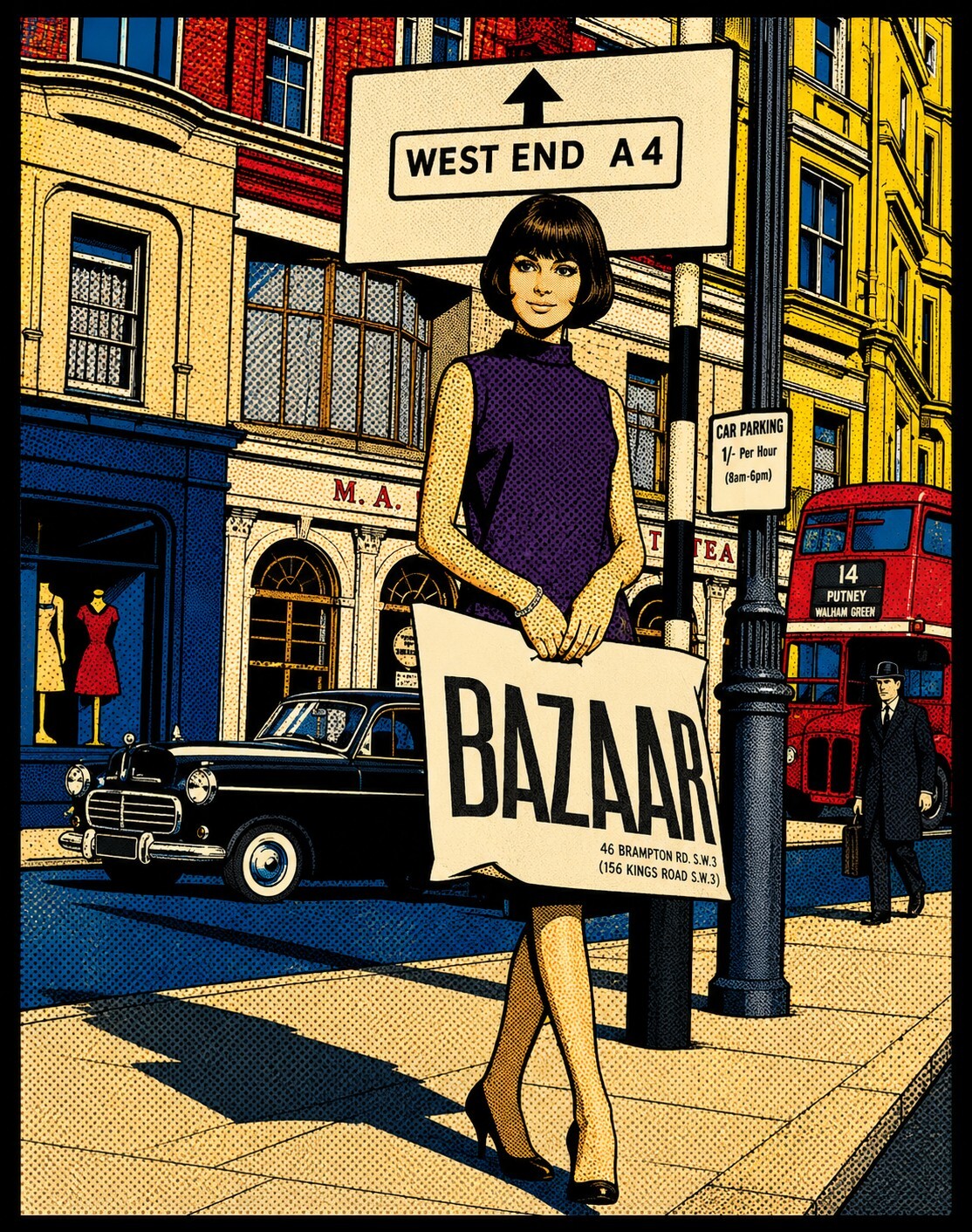
Bazaar, the first shop opened by Mary Quant in Kings Road, Chelsea,
If John Stephen gave Carnaby Street its swagger and Barbara Hulanicki transformed shopping into theatre, then Mary Quant changed the way an entire generation of young women dressed. Through her boutique, Bazaar, she rejected the formal conventions of post-war fashion and replaced them with something altogether more youthful, practical and optimistic.
Quant believed clothing should reflect the lives of the people wearing it. Rather than dressing for special occasions or social expectations, young women wanted clothes they could dance in, travel in and truly live in. It was a simple idea, but one that helped redefine British fashion during the 1960s.
Bazaar and the Birth of the Chelsea Look
Born in Blackheath to Welsh parents, Mary Quant studied illustration at Goldsmiths before beginning her career as an apprentice milliner. While working in traditional fashion, she became increasingly frustrated by the industry's conservatism. The clothes available to young women felt formal, expensive and disconnected from the excitement building on London's streets.
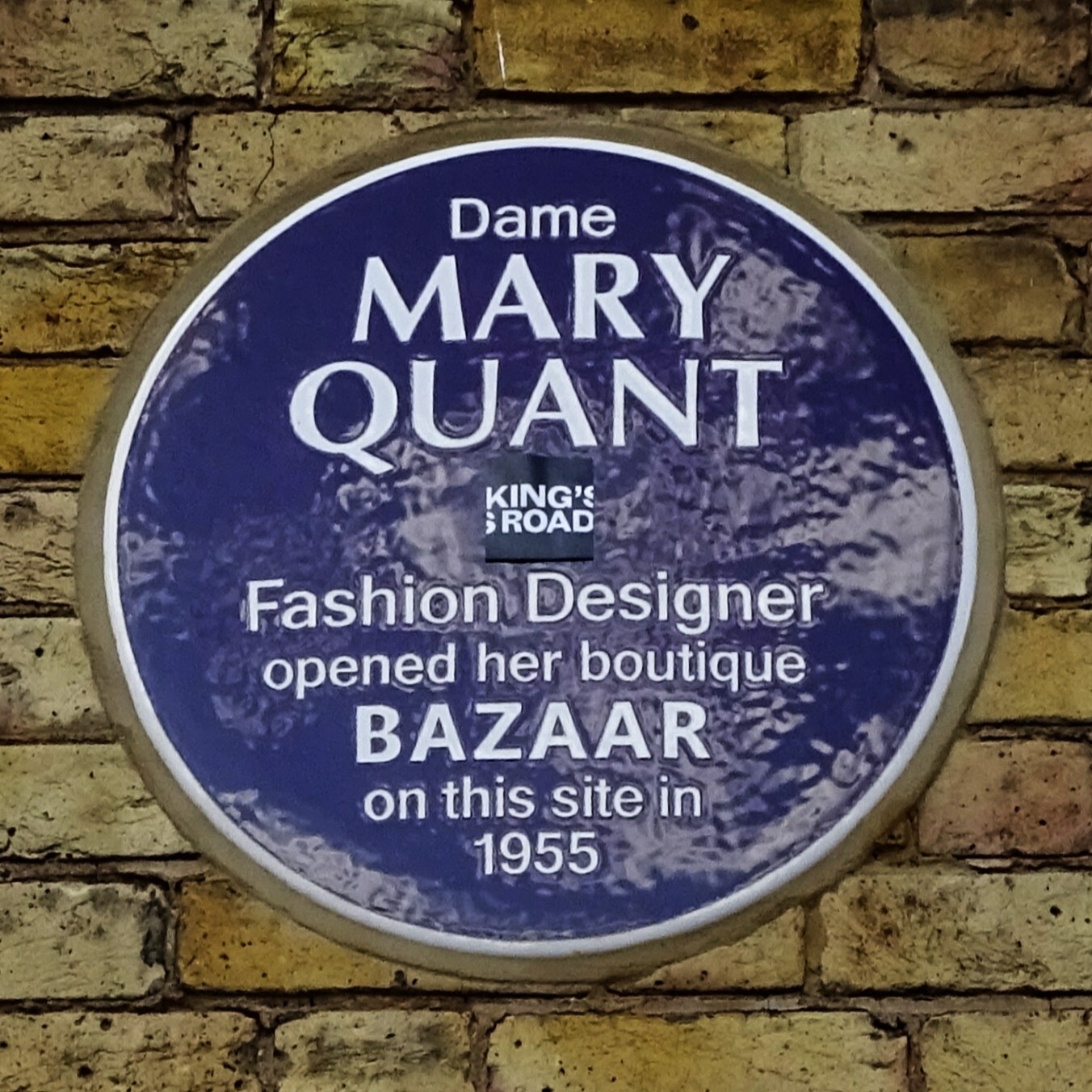
Together with her husband, Alexander Plunket Greene, and solicitor Archie McNair, Quant opened Bazaar on the King's Road in Chelsea in 1955. Initially the shop stocked garments from a variety of small designers, but Quant soon realised that the styles she wanted simply didn't exist. Rather than compromise, she began designing and making the clothes herself.
The response was immediate. Bazaar quickly established itself as one of London's most exciting boutiques, attracting customers who were looking for something fresh, colourful and unmistakably modern. Quant later recalled that demand often outstripped supply, with garments disappearing almost as quickly as they reached the rails.
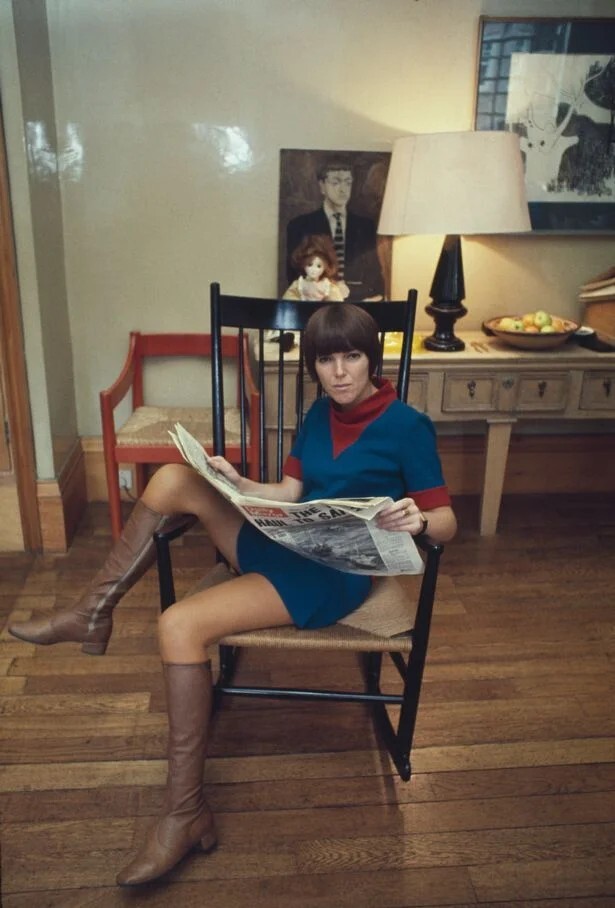
Mary Quant pictured reading the Daily Mirror newspaper in a rocking chair at home in London in 1967 (Image: Popperfoto/Getty Images)
Fashion Designed for Modern Life
What distinguished Mary Quant from many of her contemporaries was not simply her eye for design but her understanding of how young people actually lived. Her clothes were uncomplicated, comfortable and full of energy, perfectly suited to a generation embracing new music, new freedoms and a rapidly changing society.
Simple shift dresses, pinafores and tunics became the foundation of what would become known as the Chelsea Look. Bold colours replaced the muted tones of the 1950s, while knitted separates, brightly coloured tights and glossy PVC garments reflected the playful confidence of the emerging Mod generation.
Quant treated fashion as something to be enjoyed rather than admired from a distance. Every collection encouraged women to mix colours, experiment with shapes and develop a style that felt personal rather than prescribed.
The Mini Skirt and a New Generation
Few garments are more closely associated with the 1960s than the mini skirt, and although its origins remain a subject of debate, Mary Quant did more than anyone to popularise it. While designers such as André Courrèges and John Bates were also raising hemlines, Quant recognised that shorter skirts perfectly reflected the confidence and independence of the young women visiting Bazaar.
She later joked that it was her customers who demanded ever shorter skirts, recalling how they would constantly ask her to take the hemline higher. Whether or not she invented the mini, she undoubtedly became its greatest champion.
The mini skirt quickly evolved into a symbol of youthful optimism and changing social attitudes. Worn with coloured tights, flat shoes or knee-high boots, it challenged traditional ideas of femininity and encouraged women to dress for themselves rather than for convention. Fashion was no longer dictated by older generations; it was being shaped by young people with entirely different ideas about style and self-expression.
From Chelsea to the World
The success of Bazaar soon led to further boutiques, with new locations opening in Knightsbridge and New Bond Street. Quant's reputation also spread beyond Britain, particularly after American retailer J.C. Penney introduced her designs to the United States in 1963. Her colourful shift dresses, geometric prints and youthful silhouettes found an enthusiastic audience, helping establish the London look as an international phenomenon.
As her business expanded, so too did her creative ambitions. Clothing was joined by cosmetics, accessories, rainwear, knitwear and home furnishings, each carrying the same playful spirit that had defined Bazaar from the beginning. In 1966 she was awarded an OBE for her contribution to the fashion industry, famously collecting the honour while wearing one of her own mini dresses.
Perhaps no quotation captures her philosophy better than her own observation that "snobbery has gone out of fashion." In Bazaar, duchesses and typists shopped alongside one another, united not by background or wealth but by a shared enthusiasm for modern style.
Mary Quant's Enduring Legacy
As fashions evolved during the 1970s and beyond, Mary Quant continued to diversify her business, building a hugely successful cosmetics brand and extending her influence into interior design and product design. Although she eventually stepped back from the company, her impact on British fashion had already become permanent.
More than any individual garment, Quant's greatest achievement was making fashion feel accessible, enjoyable and democratic. She encouraged women to embrace colour, movement and individuality, proving that great design belonged on the high street as much as on the catwalk.
The original Bazaar boutiques may now exist only in photographs and memories, yet Mary Quant's influence remains unmistakable. Every shift dress, brightly coloured tight, playful print and boldly cut mini skirt carries something of the spirit she introduced to the King's Road. More than half a century later, her vision continues to define the optimism, creativity and youthful confidence that lie at the heart of Mod style.
Lord John: From Petticoat Lane to Carnaby Street
By the time Lord John opened its doors on Carnaby Street in 1963, the Mod movement was gathering unstoppable momentum. Yet while many retailers recognised the growing appetite for youthful fashion, few understood it quite as instinctively as brothers Warren and David Gold. Their ability to anticipate changing tastes made Lord John one of the defining boutiques of the decade and ensured it became one of the most influential names in Swinging London's retail revolution.
From Market Stall to Mod Landmark
Before establishing one of Carnaby Street's best-known boutiques, Warren and David Gold learned their trade in the bustling surroundings of Petticoat Lane Market. Selling suede jackets and contemporary clothing among the traders and market stalls gave the brothers an invaluable understanding of fashion retail. Success depended not simply on offering attractive garments, but on recognising what customers wanted before they realised it themselves.
Armed with that instinct, the Gold brothers moved to Carnaby Street, opening Lord John at number 43 in 1963. The timing could hardly have been better. John Stephen had already demonstrated that young people wanted modern, affordable fashion, and Carnaby Street was rapidly becoming the destination for anyone interested in the latest trends. Lord John arrived at exactly the right moment and quickly established itself alongside the street's most influential boutiques.
A Boutique That Moved With the Times
What distinguished Lord John from many of its competitors was its remarkable ability to evolve almost in step with the changing mood of the decade. Rather than relying on seasonal collections, the Gold brothers continually refreshed their rails with the newest colours, fabrics and silhouettes, ensuring customers always found something different with every visit.
The boutique offered sharply tailored continental suits, colourful knitwear, wet-look raincoats, suede jackets, psychedelic shirts and hipster trousers, alongside some of the earliest high-street interpretations of kaftan jackets inspired by the growing counterculture. Everything reflected the energy of London's rapidly changing youth scene, yet remained accessible enough for ordinary young people rather than an exclusive elite.
As a result, Lord John attracted an extraordinary clientele. Members of The Small Faces, The Who, The Kinks, The Rolling Stones and even The Beatles were among those associated with the boutique, while journalists, photographers, models and visitors from around the world crowded into the shop alongside everyday Mods. Like many of Carnaby Street's great boutiques, Lord John blurred traditional social boundaries, bringing together musicians, students, office workers and tourists in a shared enthusiasm for modern fashion.
Rivals on Carnaby Street
Success inevitably brought competition, and nowhere was that more evident than in Lord John's relationship with John Stephen. As both businesses expanded, a legal dispute arose after Stephen registered the name "Lord John of Carnaby Street", prompting objections from the Gold brothers, who believed customers might assume the boutiques were connected.
The disagreement became one of Carnaby Street's best-known rivalries, illustrating just how valuable reputation had become within London's rapidly expanding fashion scene. Far from damaging Lord John, however, the dispute only reinforced its profile, drawing even greater attention to a boutique that had already become one of the street's principal attractions.
The Psychedelic Years
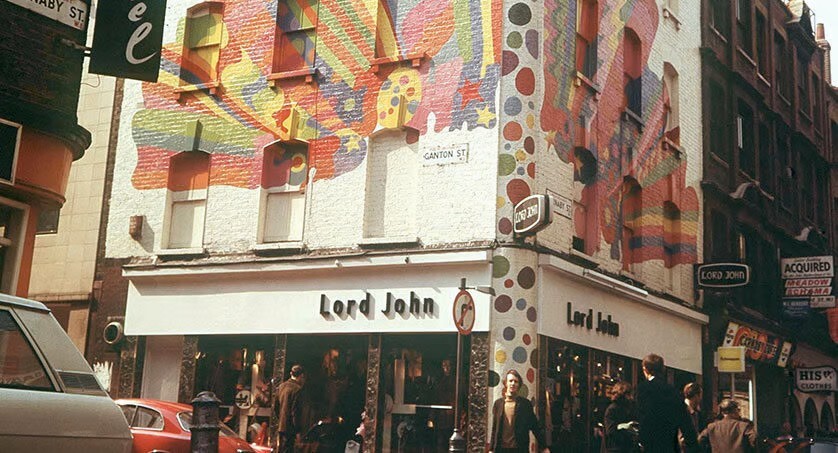
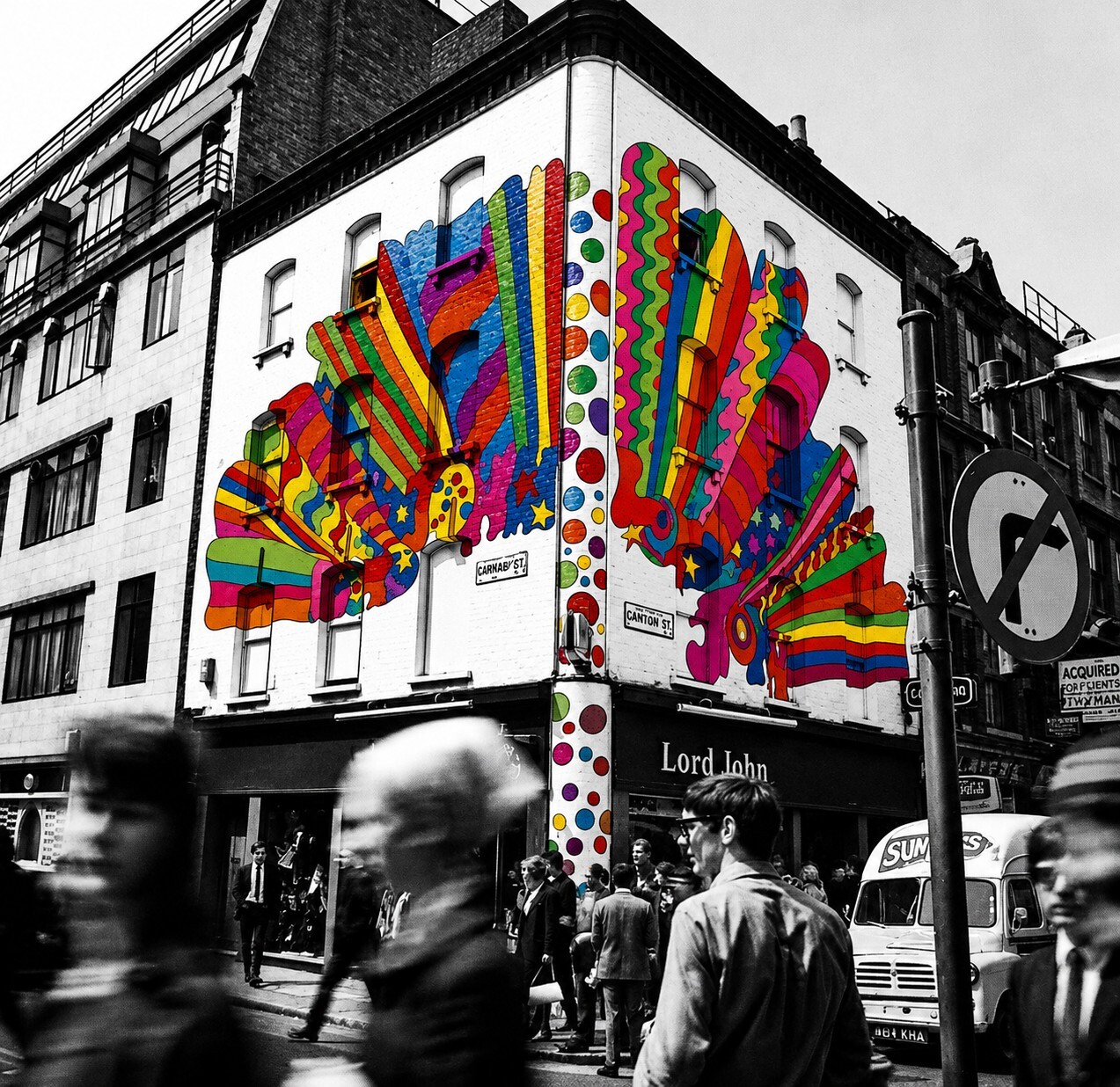
If Lord John reflected the optimism of early Mod fashion, it also embraced the more colourful direction the decade would eventually take. In 1967 the boutique commissioned the artistic collective Binder, Edwards & Vaughan (BEV) to transform its exterior with a vast psychedelic mural. Covering three storeys, the artwork became one of the most recognisable sights on Carnaby Street and perfectly captured the transition from sharp Mod tailoring to the bold visual language of London's psychedelic era.
The mural quickly became a landmark in its own right, appearing in photographs, magazines and television reports as visitors flocked to Carnaby Street from across Britain and overseas. By the end of the decade, Lord John had expanded to eight boutiques, with the business eventually growing to around thirty locations as the influence of London's fashion revolution spread nationwide.
Beyond Carnaby Street
Like many independent boutiques of the 1960s, Lord John eventually faced increasing competition from larger retailers and changing consumer habits. Warren Gold continued to innovate, developing the successful Goldrange factory outlet concept, while the Lord John name itself passed through several owners before eventually disappearing from Britain's high streets.
Although the boutiques have gone, their influence remains remarkably visible. Garments associated with Lord John now appear in museum collections, including the Victoria and Albert Museum, while surviving pieces are prized by collectors of vintage fashion. More importantly, the boutique helped demonstrate that British fashion could respond to youth culture with remarkable speed, offering stylish, affordable clothing that reflected the changing mood of the times almost as quickly as it emerged.
Lord John did more than sell clothes. It captured the restless energy of the 1960s, proving that great fashion belonged not only on Parisian catwalks but on the streets of Soho. Together with the other pioneering boutiques of Carnaby Street, the Gold brothers helped establish London as one of the world's most influential fashion capitals, a legacy that continues to shape Mod style more than half a century later.
John Simons & The Ivy Shop: Britain's Passport to the Ivy League Look
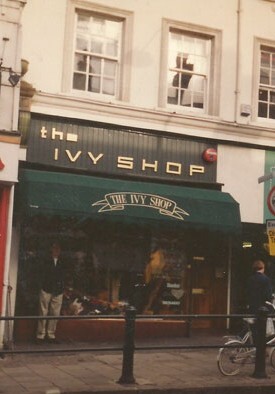
While Carnaby Street embraced bold colours, psychedelic prints and ever-changing fashions, another strand of the Mod movement was taking shape a little more quietly. It favoured clean lines over flamboyance, understated quality over spectacle, and timeless American classics over passing trends. At the heart of this distinctly different approach stood John Simons and his influential Richmond boutique, The Ivy Shop.
Opened in 1964, The Ivy Shop became one of the most important destinations for those seeking a more refined interpretation of modern style. Its customers included jazz enthusiasts, students, young professionals and Mods who admired the effortless elegance of American Ivy League dressing. Inspired by the wardrobes of Cary Grant, Paul Newman, Steve McQueen and the cool sophistication of modern jazz, Simons introduced British menswear to a style that remains influential to this day.
The Ivy League Look Arrives in Britain
The Ivy League aesthetic did not emerge from the fashion houses of Paris or London's traditional tailoring establishments. Instead, it travelled across the Atlantic with American servicemen, musicians and imported clothing, bringing with it a relaxed yet impeccably considered approach to dressing.
Oxford button-down shirts, chinos, loafers, soft-shouldered jackets, collegiate ties and slim-cut trousers combined to create a wardrobe that was smart without appearing formal and casual without ever looking careless. Unlike the more theatrical side of Mod fashion, Ivy style relied on subtle details, quality fabrics and careful proportions rather than bold statements.
For many young Modernists, it offered the perfect complement to Italian-inspired tailoring. The result was a uniquely British interpretation of Ivy style that sat comfortably alongside the sharper silhouettes of the Mod movement while retaining its distinctly American character.
John Simons' Eye for Style
Long before opening his own boutique, John Simons developed an exceptional understanding of menswear while working as a window dresser for Cecil Gee, one of Britain's pioneering fashion retailers. There he learned not only how to present clothing, but also how changing tastes, fabrics and silhouettes influenced the way men dressed.
An evening position at Austin's of Shaftesbury Avenue proved equally significant. The shop specialised in imported American clothing brought back from New York by jazz saxophonist Lou Austin, giving Simons direct access to garments that were almost impossible to find elsewhere in Britain. Studying these collections deepened his appreciation for authentic Ivy League style and laid the foundations for the boutique he would later establish in Richmond.
A Different Kind of Boutique
When The Ivy Shop opened its doors, it immediately distinguished itself from the colourful exuberance of Carnaby Street. Rather than chasing every passing trend, Simons concentrated on carefully selected garments that reflected the enduring appeal of American collegiate style.
Customers found Oxford shirts, Prince of Wales check jackets, dogtooth trousers, Crombie overcoats, three-button suits, basketweave shoes and imported loafers displayed with understated confidence. Everything was chosen for its quality, versatility and timeless design rather than its novelty.
The boutique quickly became a meeting place for jazz devotees, students, early Mods and later Suedeheads and Skinheads who appreciated clothing that balanced sophistication with practicality. Visitors travelled from across Britain in search of authentic American labels and the expert advice that had become synonymous with John Simons' name.
Beyond Richmond
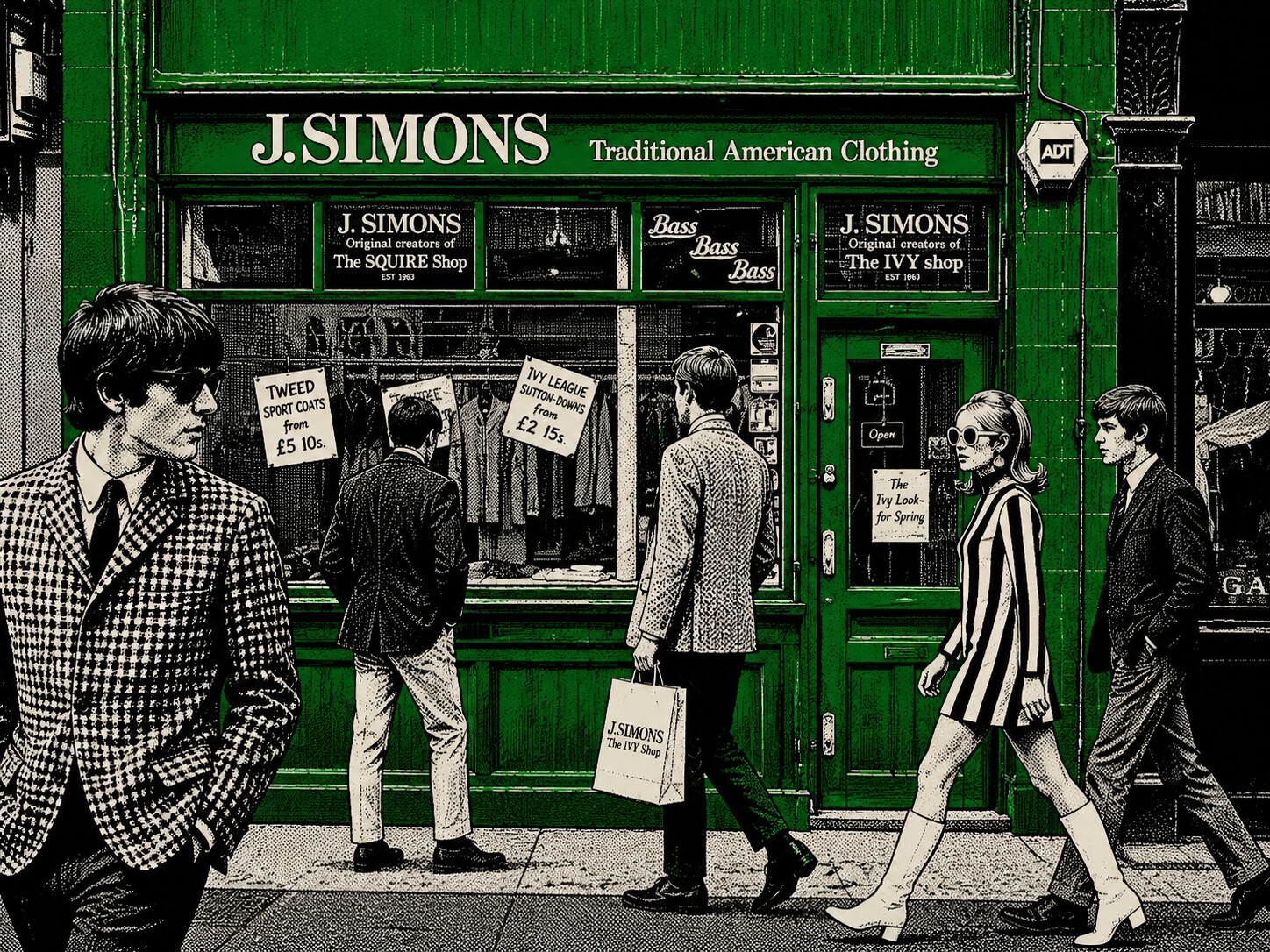
The success of The Ivy Shop led to further ventures, including Squire on Brewer Street and, later, the celebrated J. Simons shop in Covent Garden, which continued championing Ivy League style well beyond the 1960s. Alongside carefully selected vintage pieces, Simons stocked respected heritage brands such as Baracuta, Levi's, Bass Weejuns, McGregor and Arrow, helping introduce generations of British customers to classic American menswear.
His influence extended beyond retail. John Simons is widely credited with popularising the name "Harrington jacket", inspired by the character Rodney Harrington from the American television series Peyton Place. The name endured, becoming part of British fashion vocabulary and forever linking an American jacket with the Mod wardrobe.
A Lasting Influence
Although often overshadowed by the brighter lights of Carnaby Street, John Simons played an equally important role in shaping British style. He demonstrated that modern fashion did not have to rely on flamboyance or novelty to make an impression. Instead, careful tailoring, quality fabrics and understated design could be every bit as influential.
The Ivy Shop introduced generations of British dressers to the enduring appeal of Ivy League clothing, proving that relaxed elegance could sit comfortably alongside the sharper edges of Mod fashion. More than sixty years later, its influence can still be seen in every button-down Oxford shirt, Harrington jacket, penny loafer and three-button blazer that continues to define classic Mod style.
I Was Lord Kitchener's Valet: When Vintage Became Modern
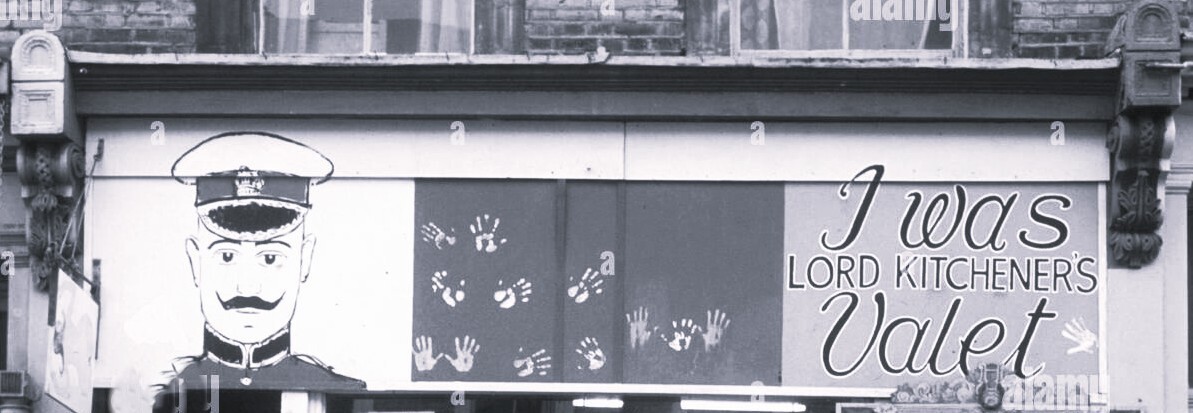
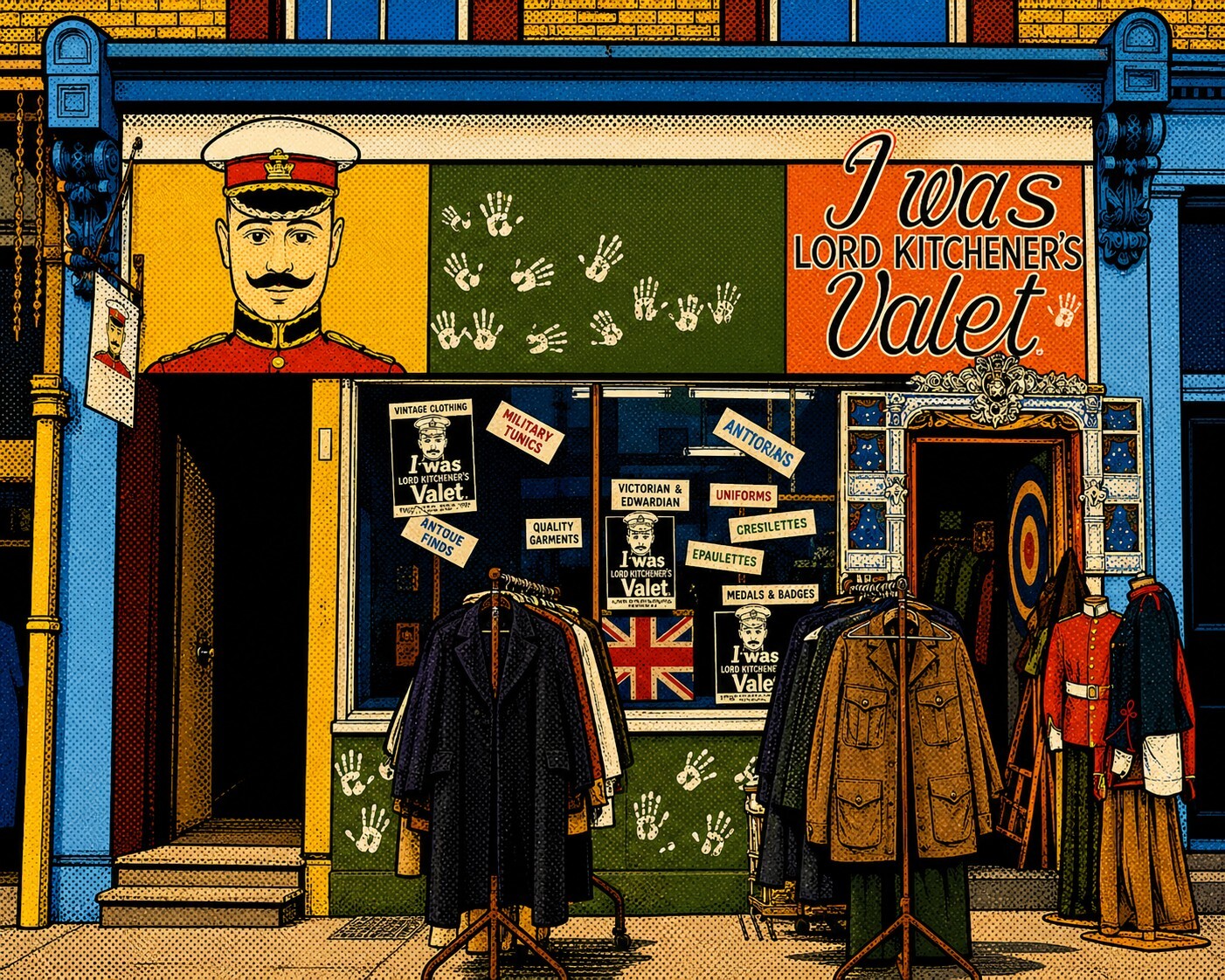
While most of London's leading boutiques looked towards the future, one remarkable shop found its inspiration in the past. Long before vintage clothing became a recognised part of the fashion industry, I Was Lord Kitchener's Valet demonstrated that military uniforms, Victorian tailoring and forgotten garments could be transformed into some of the most distinctive styles of the 1960s.
Founded by Ian Fisk, John Paul and Robert Orbach, the boutique offered a striking alternative to the clean Italian tailoring of the Mods and the understated elegance of the Ivy League look. Instead of creating entirely new fashions, its founders reimagined Britain's rich sartorial history, giving military tunics, frock coats and ceremonial uniforms an entirely new purpose for a new generation.
A Boutique Unlike Any Other
When the first shop opened on Portobello Road in 1964, London already boasted a growing collection of fashionable boutiques. Yet none specialised in the unusual mixture of military surplus, Victorian clothing, antique furnishings and historical curiosities that greeted visitors to I Was Lord Kitchener's Valet.
The founders recognised that many young Londoners were searching for something more individual than mass-produced fashion. Army surplus stores and antique markets contained remarkable garments, but they were rarely presented as desirable fashion. Lord Kitchener's Valet changed that perception by treating historical clothing as something to be worn, appreciated and reinvented rather than simply collected.
Even the boutique's memorable name reflected that playful approach. At a time when most fashion retailers favoured short, modern titles, "I Was Lord Kitchener's Valet" deliberately evoked Edwardian Britain, immediately suggesting a world of uniforms, ceremony and eccentric British character.
When Rock Music Discovered Military Style
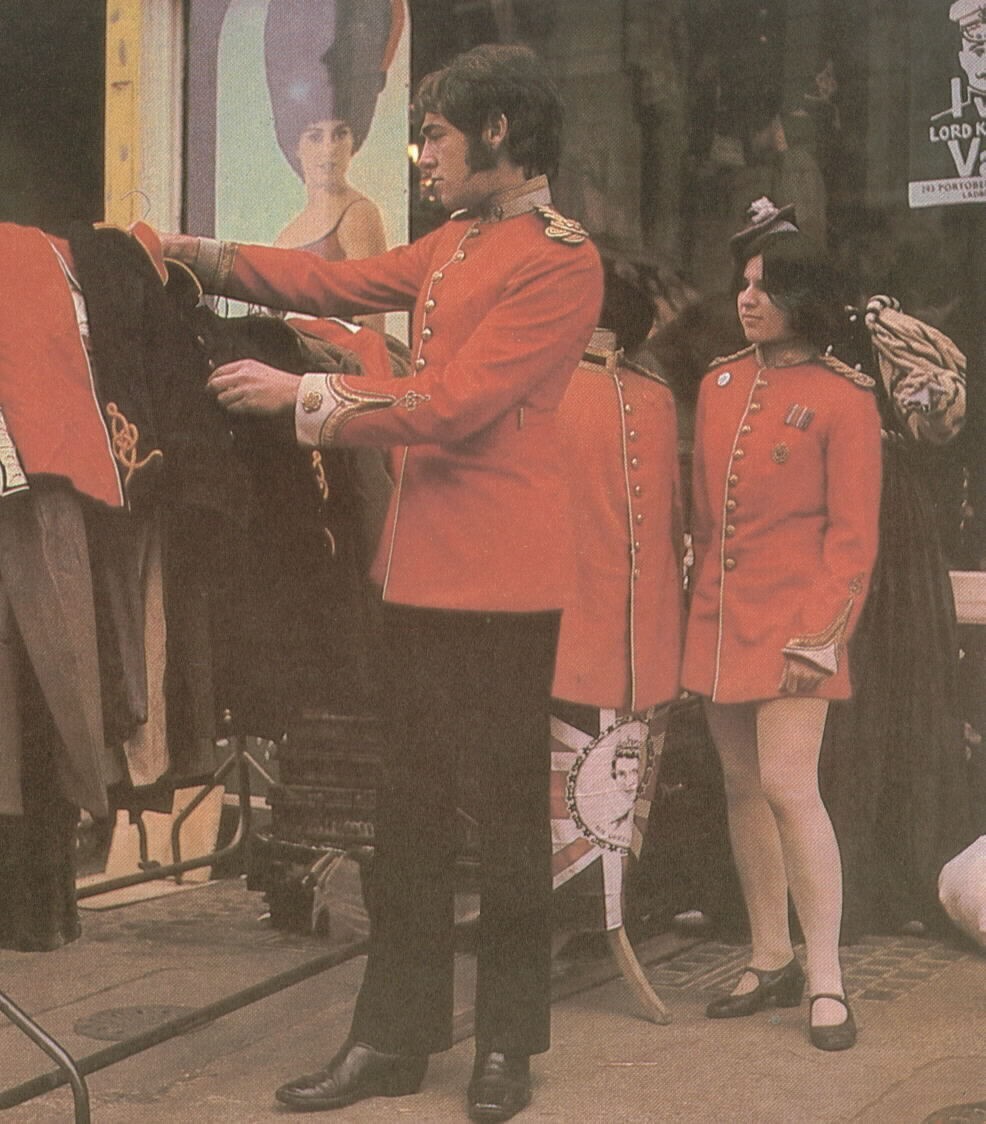
The boutique's reputation changed dramatically in 1966 following a chance visit from John Lennon, Cynthia Lennon and Mick Jagger. During that visit, Jagger purchased a striking red Grenadier Guards drummer's tunic, originally acquired through military surplus stock.
When he appeared wearing the jacket on Ready Steady Go! during a performance of Paint It, Black, the impact was immediate. Crowds gathered outside the boutique, eager to recreate the look they had seen on television, and military jackets rapidly became one of the defining fashion statements of the decade.
The success established I Was Lord Kitchener's Valet as one of London's most influential boutiques. Eric Clapton, Jimi Hendrix and countless musicians, artists and actors soon became regular customers, helping popularise a style that combined theatrical military tailoring with the youthful confidence of the emerging counterculture.
Reimagining the Past
Although military uniforms became the boutique's most recognisable speciality, they represented only part of a much broader philosophy. Victorian frock coats, ceremonial jackets, brass buttons, medals and richly embroidered garments all found new life in the hands of a generation eager to experiment with clothing that challenged convention.
At a time when many retailers focused on streamlined modernity, Lord Kitchener's Valet demonstrated that fashion could draw inspiration from history without appearing old-fashioned. By combining authentic historical garments with contemporary styling, the boutique anticipated the modern appreciation for vintage clothing decades before it became mainstream.
Not everyone welcomed the trend. Some former servicemen questioned the reuse of military uniforms for fashion, while others regarded the style as deliberately provocative. Yet for most young people the appeal lay not in mockery, but in reinvention. Clothing once associated with authority and tradition was being transformed into an expression of individuality and creativity.
From Portobello Road to Carnaby Street
The popularity of the boutique quickly led to expansion, with further shops opening in Wardour Street, Foubert's Place, Piccadilly Circus, Carnaby Street and the King's Road. The Carnaby Street branch, leased from Warren Gold of Lord John, placed the business at the heart of London's fashion district, ensuring a steady stream of musicians, photographers and curious visitors passed through its doors.
Its cultural influence extended well beyond retail. In 1966, The New Vaudeville Band even released a single titled I Was Lord Kitchener's Valet, while artist Peter Blake later acknowledged that the boutique's displays helped inspire the colourful military uniforms worn by The Beatles on the cover of Sgt. Pepper's Lonely Hearts Club Band. Few independent boutiques left such a visible mark on both fashion and popular culture.
A Legacy Beyond Vintage
Although I Was Lord Kitchener's Valet finally closed in 1977, its influence continues to shape the way fashion approaches historical clothing. Long before vintage became an established industry, the boutique demonstrated that garments with a previous life could be reinterpreted for an entirely new generation.
Its founders encouraged young people to see clothing not simply as something new to be purchased, but as something with character, craftsmanship and history waiting to be rediscovered. In doing so, they helped establish vintage fashion as a creative movement in its own right.
The military tunics and Victorian tailoring that once filled the boutique's rails have become enduring symbols of the imaginative spirit that defined Swinging London. More importantly, I Was Lord Kitchener's Valet proved that fashion's future could sometimes be found by looking thoughtfully at its past.
Granny Takes a Trip: Psychedelia at the World's End
If Mary Quant captured the optimism of the early 1960s and John Stephen dressed the Mod generation, then Granny Takes a Trip reflected the decade's extraordinary transformation as it entered its final, psychedelic years. More than any other boutique, it blurred the boundaries between fashion, art, music and performance, creating an environment where shopping became an act of imagination as much as style.
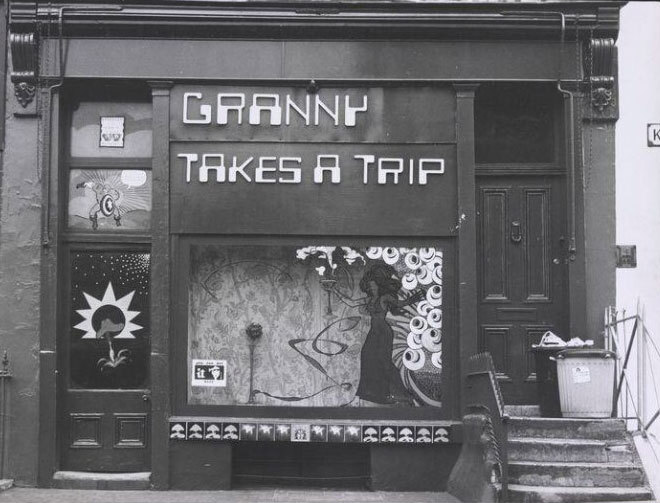
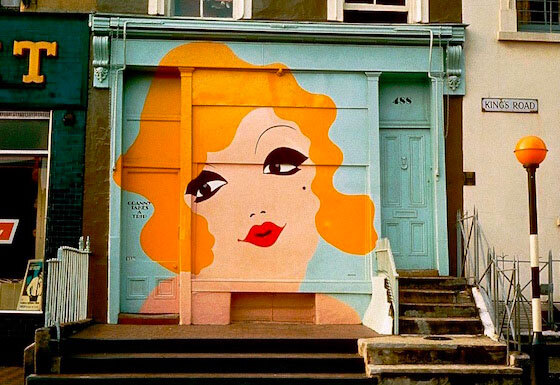
Founded in 1966 by Sheila Cohen, Nigel Waymouth and Savile Row-trained tailor John Pearse, Granny Takes a Trip quickly became one of London's most celebrated boutiques. Situated at 448 King's Road in Chelsea's then-unfashionable World's End district, it stood slightly apart from Carnaby Street's Mod scene, yet its influence reached just as far. The boutique embraced colour, theatricality and historical references with a confidence that perfectly reflected the changing mood of the late 1960s.
Reinventing the Past
The boutique's memorable name neatly captured its philosophy. "Granny" represented Victorian Britain, Edwardian elegance and traditional craftsmanship, while "Takes a Trip" reflected the experimental spirit of the psychedelic era. Rather than rejecting the past, the founders reinvented it, combining antique garments, military tailoring and Liberty prints with bold colours, luxurious fabrics and contemporary silhouettes.
John Pearse's tailoring played a crucial role in shaping the boutique's identity. Vintage frock coats, velvet jackets, paisley shirts and elaborately decorated tailoring were carefully remodelled to create clothing that felt simultaneously historic and entirely new. Every garment demonstrated exceptional craftsmanship while encouraging customers to experiment with a style that challenged conventional ideas of menswear and womenswear alike.
Fashion as Theatre
Stepping inside Granny Takes a Trip was unlike entering any conventional boutique. The richly decorated interior drew inspiration from Art Nouveau, Victoriana and the emerging psychedelic art movement. Walls shimmered with colour, enlarged Aubrey Beardsley illustrations adorned the décor, incense scented the air and music drifted through the rooms, creating an atmosphere that felt closer to an art installation than a traditional fashion shop.
The building itself became part of the spectacle. Nigel Waymouth, who later formed the celebrated psychedelic design partnership Hapshash and the Coloured Coat, continually reinvented the shopfront. One façade featured enormous portraits of Native American chiefs Low Dog and Kicking Bear, while another transformed the frontage into the illusion of a vintage Dodge crashing through the building. These ever-changing displays became famous in their own right, attracting photographers, tourists and curious Londoners long before they even reached the door.
Dressing the Counterculture
As London's music scene embraced increasingly adventurous fashion, Granny Takes a Trip naturally became a destination for many of its leading figures. Members of The Beatles, Mick Jagger, Anita Pallenberg, Jimi Hendrix's circle, The Pretty Things and numerous other musicians all became associated with the boutique, helping establish its reputation on both sides of the Atlantic.
Unlike many retailers, Granny Takes a Trip rarely followed established trends. Instead, it anticipated them, influencing magazine editorials, album artwork and stage costumes while helping define the visual identity of the psychedelic movement. Its designs demonstrated that fashion could be expressive, artistic and deliberately unconventional without sacrificing quality or craftsmanship.
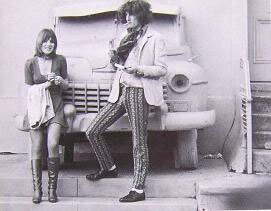
Beyond the Sixties
By the end of the decade the original founders had moved on, and in 1969 Freddie Hornik assumed control of the boutique. Under his direction, Granny Takes a Trip evolved once again, embracing the flamboyant tailoring, appliqué work and extravagant silhouettes that would come to define the emerging glam rock movement. Artists including David Bowie and Marc Bolan became closely associated with the boutique, while additional stores in New York and Los Angeles carried its distinctive aesthetic to an international audience.
Although the King's Road shop eventually closed in 1974, its influence continued to resonate throughout the following decades. Few boutiques have demonstrated so clearly that fashion can draw equally from history, art and popular culture while remaining commercially influential.
A Lasting Legacy
Granny Takes a Trip represented the final flourish of Swinging London's boutique revolution. Where earlier boutiques had challenged established ideas about youth fashion, Granny questioned the very boundaries of clothing itself, treating garments as works of art, historical references and personal statements all at once.
Its influence can still be seen wherever vintage tailoring, velvet jackets, paisley prints and boldly individual style continue to flourish. More than half a century later, the boutique remains one of the defining symbols of London's creative freedom during the late 1960s, proving that fashion is often at its most memorable when it dares to ignore convention altogether.
The Legacy of London's Boutique Revolution
By the close of the 1960s, the boutique revolution had transformed British fashion forever. What began with youthful tailoring and a handful of independent shopkeepers had evolved into a rich landscape of Ivy League elegance, military revival, psychedelic experimentation and fearless self-expression.
Each boutique offered its own vision of modern style. Mary Quant championed youthful freedom, BIBA reinvented the shopping experience, John Stephen and Lord John shaped the Mod wardrobe, John Simons introduced Britain's definitive Ivy League look, Lord Kitchener's Valet reimagined vintage fashion, and Granny Takes a Trip carried the decade into its psychedelic finale.
Together, they established London as the undisputed fashion capital of the age. More than half a century later, their influence can still be seen in the clothes we wear, the boutiques we browse and the designers who continue to draw inspiration from this extraordinary period of creativity.
The boutiques themselves may have disappeared, but their spirit never really closed its doors. It lives on in every generation that uses fashion not simply to follow trends, but to express individuality, challenge convention and embrace the excitement of something new.
These weren't shops in the traditional sense. Traditional retail sold clothes to people. Boutiques dressed people in identity. The boutiques themselves may have disappeared, but their spirit never really closed its doors.